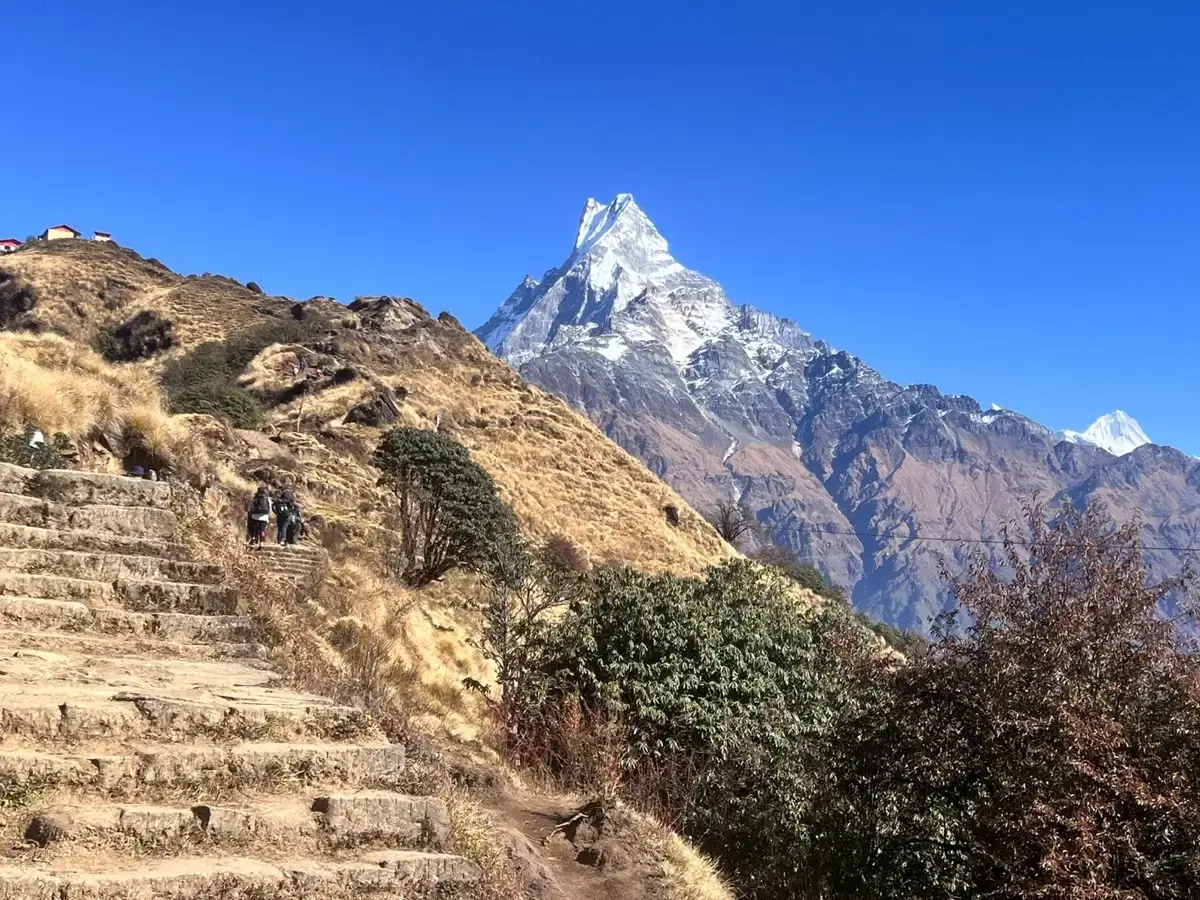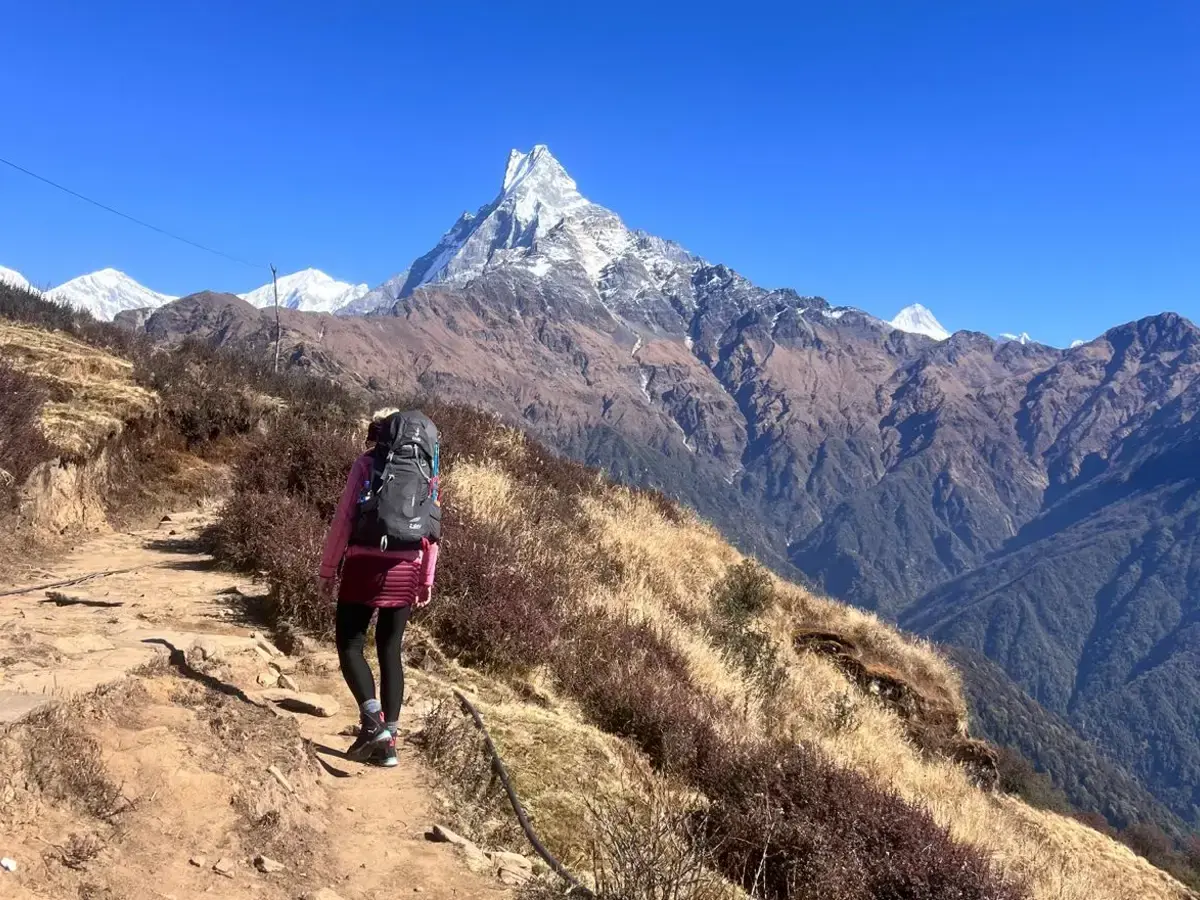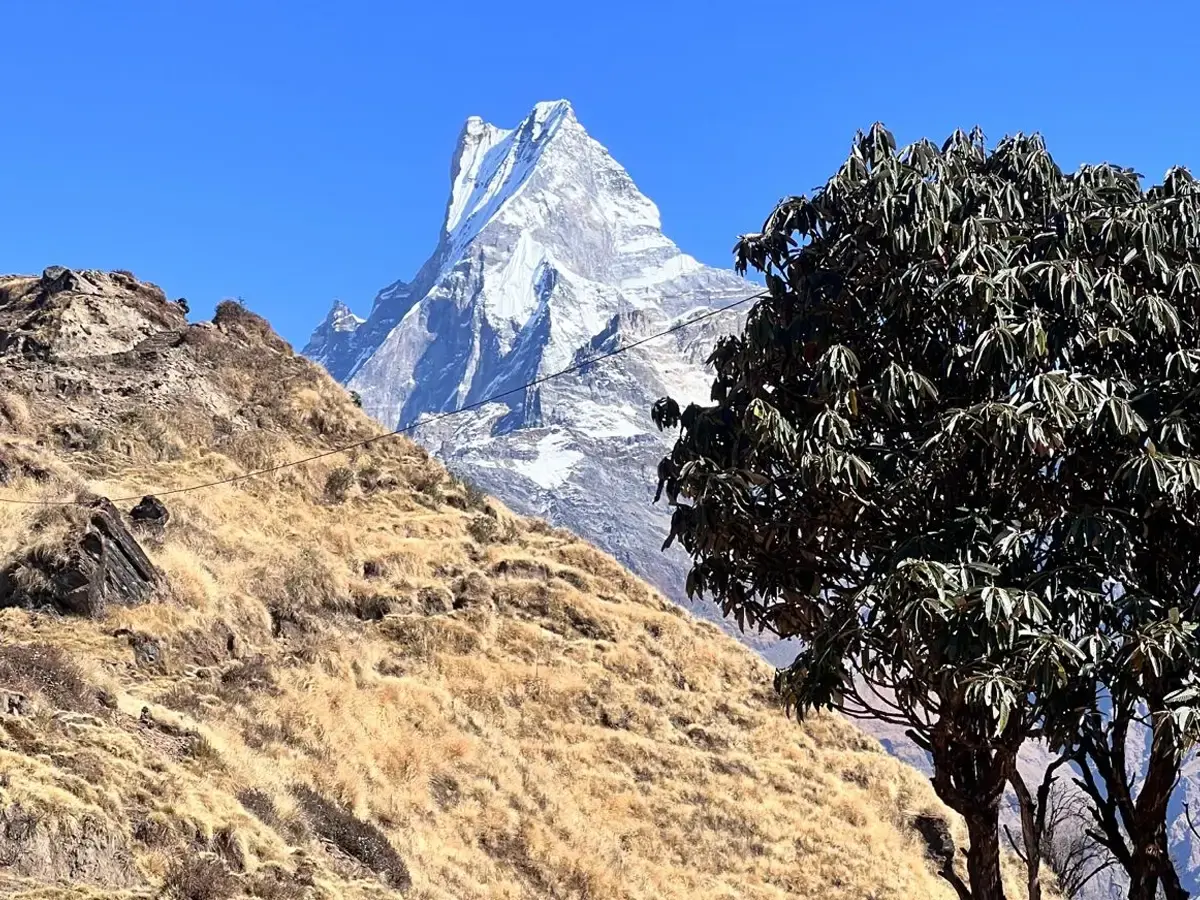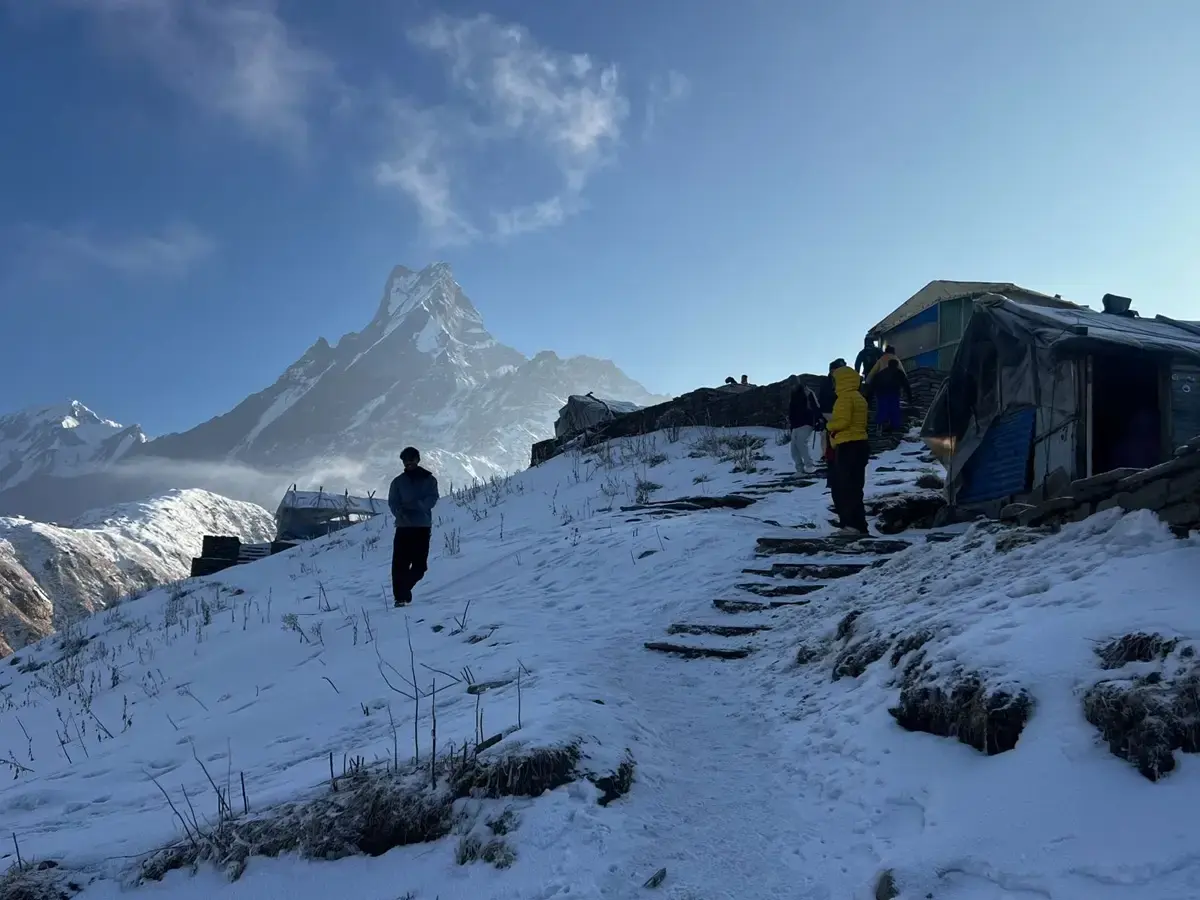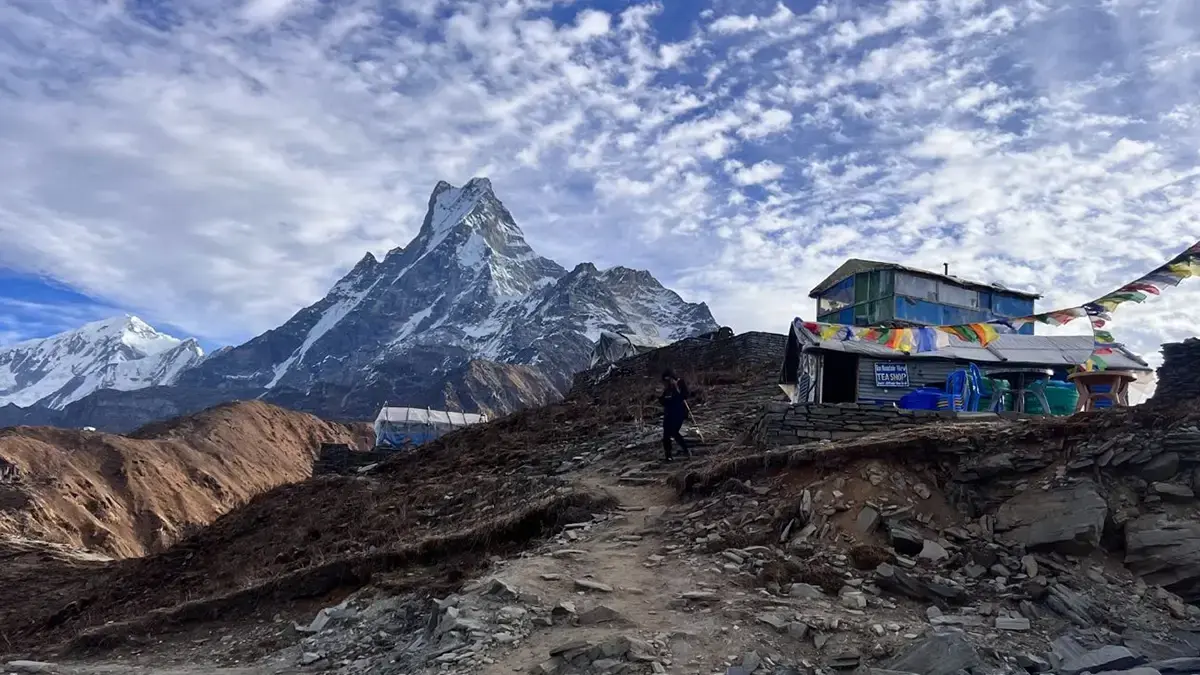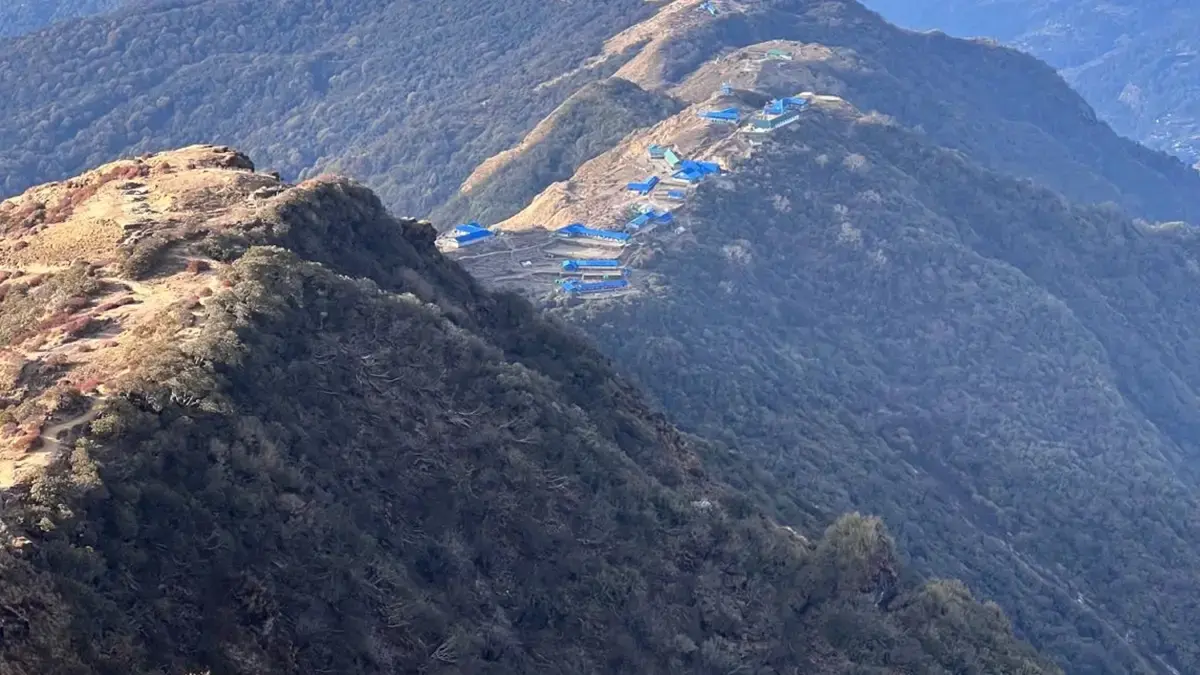
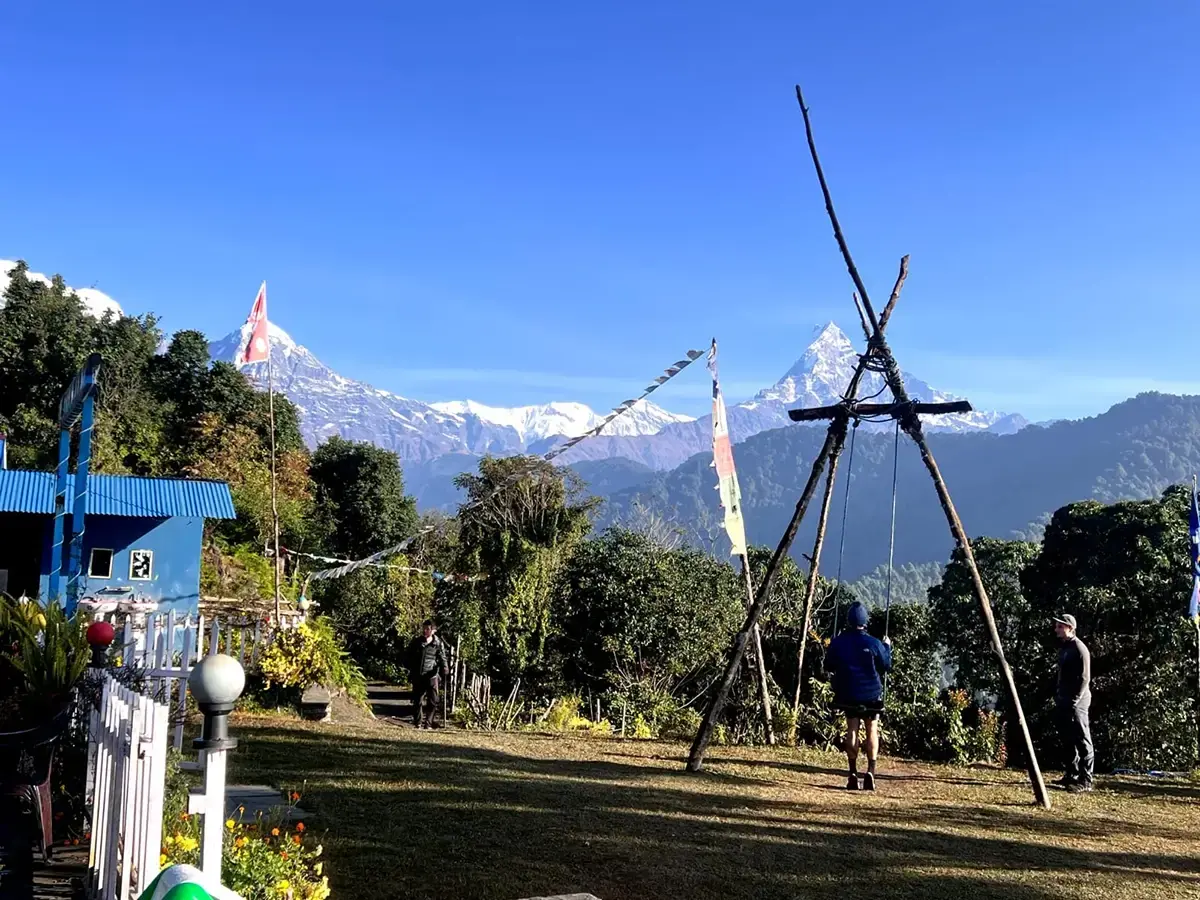
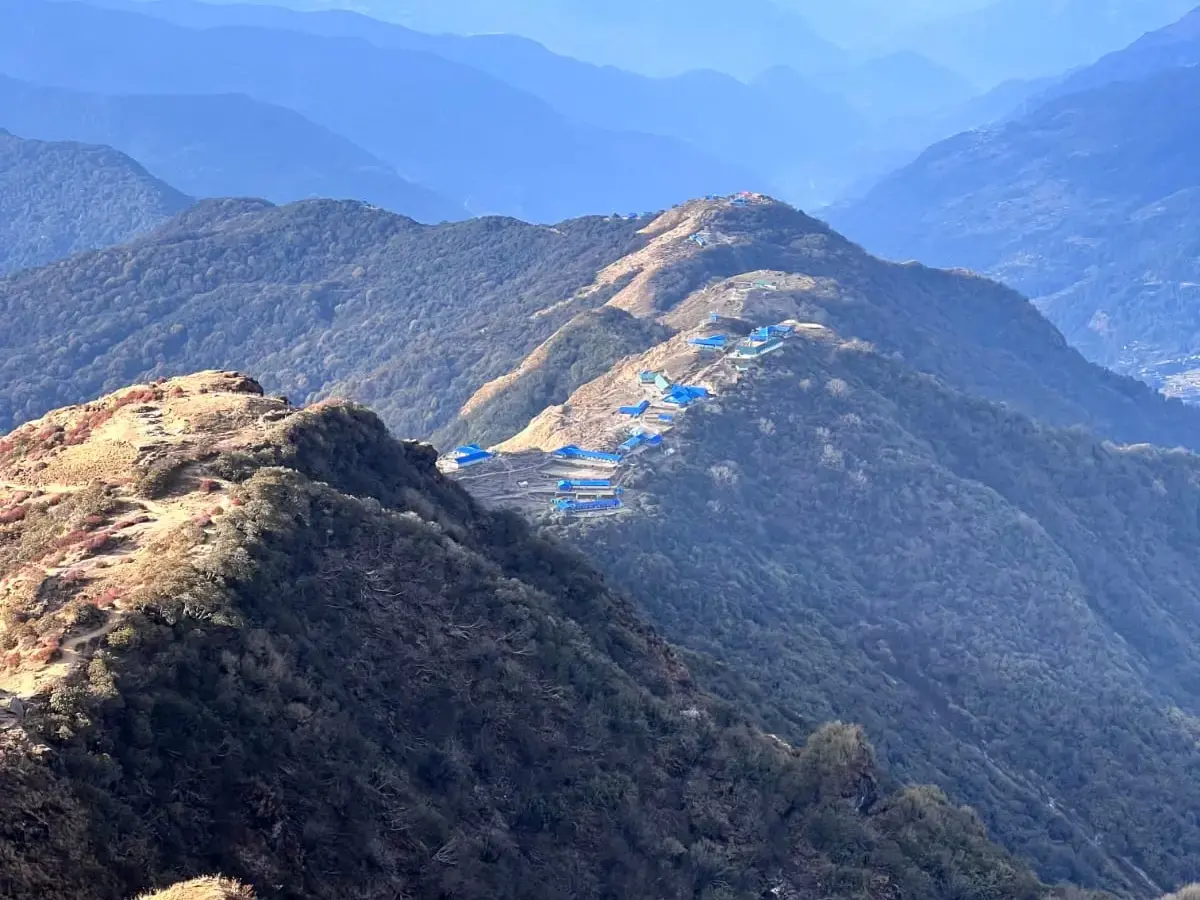
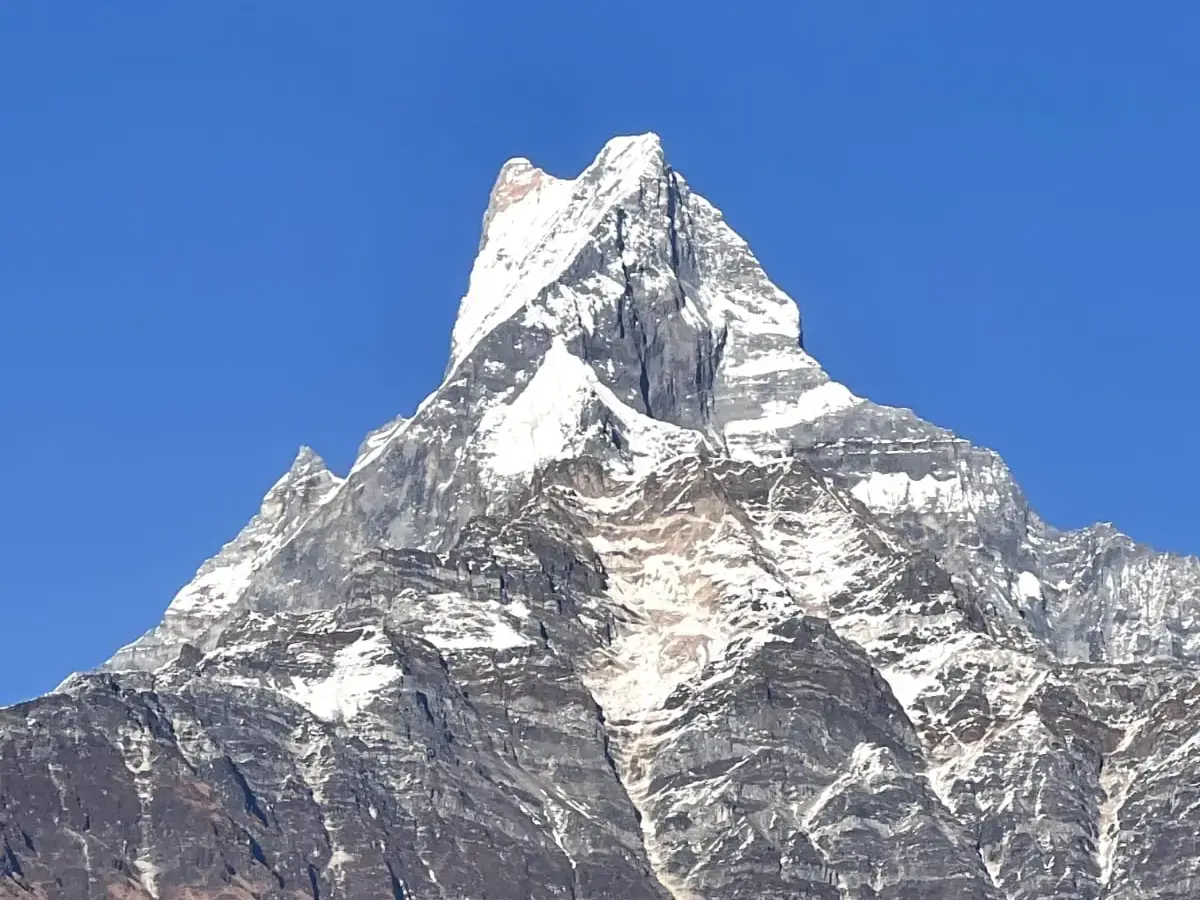
Mardi Himal trek has also been widely popular as a peaceful alternative for those who prefer not to undertake the other strenuous treks in the Annapurna Region. Unlike most trekking routes, it offers a serene environment characterized by forests, meadows, and Gurung settlements. Blog sites and personal experiences have cited the trek as one of those experiences where trekking meets reflection, and thus allows one to connect with the environment. (Medium: Ceba Sherpa)
In the detailed pictorial blog by the Medium blogger Ceba Sherpa, Mardi Himal has been described as “intimate and revealing,” where the moderate climb of the trail allows the trekkers to enjoy the mountain scenery and get a glimpse into the rhythm of the villages. The less-visited trail gives the trekkers a sense of solitude and discovery as they get a peek into the teahouses and the villagers who give them a glimpse into life in the Himalayas.
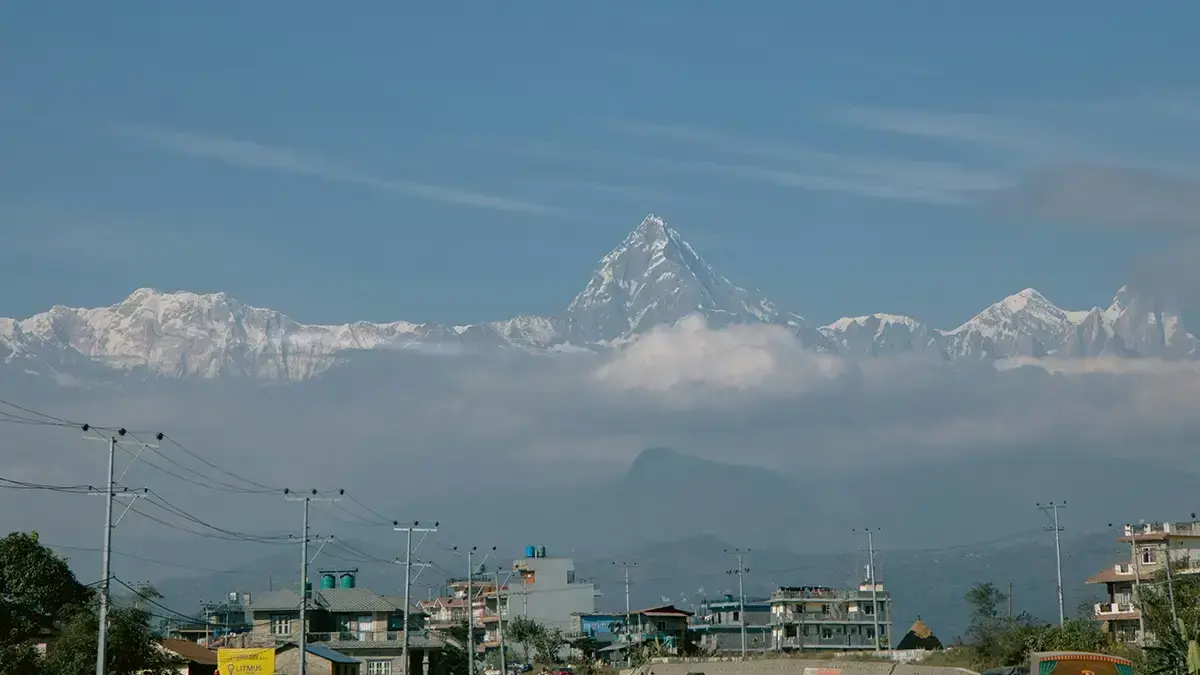
An alternative viewpoint can be derived from the article by Nepal News, which mentions Mardi Himal as a ‘transformative Himalayan trek for the first time’. The writer has stated that the climb to the Mardi Himal Base and Viewpoint is a meditative experience with Machhapuchhre and Annapurna South mountains. The writer has stated that not only is this a sightseeing adventure, but this is also a chance for one to witness the ‘pace of life in the high mountain villages’.
Adding a visual element to this discussion, a vlog of a trek to Mardi Himal by Kriag Adams provides a real-time account of how a trekker embarks on a journey that sees a gradual shift from rhododendron forests to open ridges. This vlog provides a visual account of how a trekker overcomes challenging ascents and is treated to breathtaking views of the mountains at every turn. Through such a vlog, it is possible to understand how a trek to Mardi Himal is a journey and not a mere destination.
Collectively, these learnings make clear that the Mardi Himal Trek is more than just a trek for mountain views. The Mardi Himal Trek is an adventure that invites trekkers to thoughtfully engage with nature, learn about and appreciate the culture, and undergo their own personal transformations that will resonate in their own ways with each trekker.
Highlights of the Mardi Himal Trek
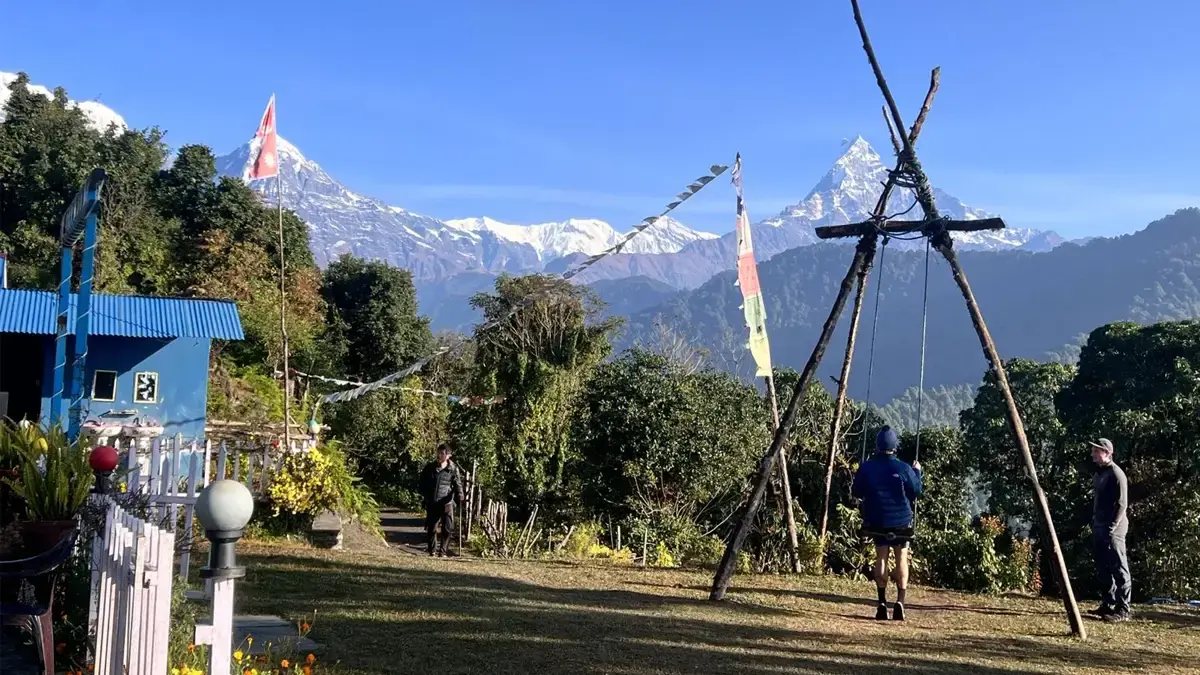
- Picture taking scenic routes through virgin alpine meads, with silent rhododendron-filled valleys, green paths, and hidden settlements that will entice you to pause, stop, and enjoy the pristine beauty that makes Mardi Himal so different from other routes through the Himalayas.
- Then, of course, the views of the mountains, the incredible, close-up views of Machhapuchhre (Fishtail), Annapurna South, Hiunchuli, and the complete Annapurna range from Mardi Himal Base Camp and
- En route, you will absorb the local culture. Encounter the Gurung and Magar communities and learn about the local customs and way of life in the villages.
- The climb is one that is done in increments; it has a good blend of work and wonder. This is one of those trekking journeys where anyone can come along.
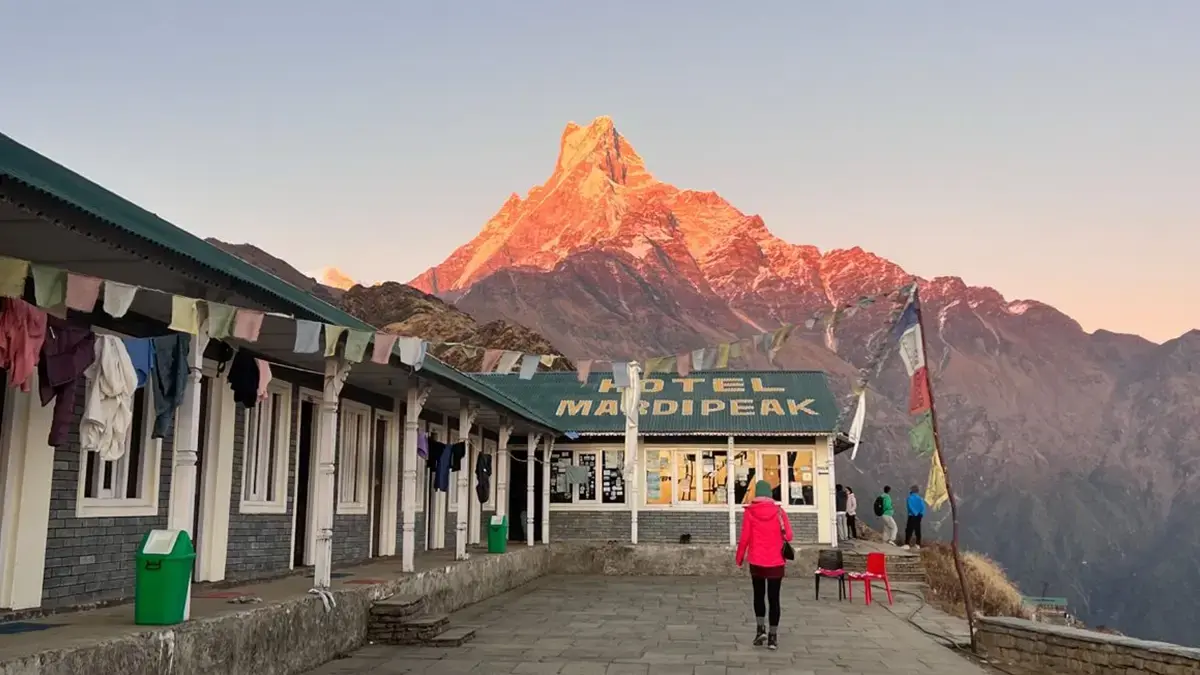
- Live in rhythm with the mountains at dawn and in their golden hues at sunset. The golden hour shines upon peaks, ridges, and valleys—the inspiration for reflection, photography, and memory-making.
- “This journey is more than reaching a destination recognized by all as a remote point – more than reaching a mountaintop and a view that everyone can see and identify with – and more than reaching a realized success that everyone can see and relate to –
- The trails are relatively empty, which makes the journey a kind of private exploration, a place where you can find solitude in huge and beautiful landscapes.
Best time for the Mardi Himal Trek
The best time to undertake the Mardi Himal Trek would be during the spring months (March to May) and the autumn months (September to November). These seasons aim to offer the best possible weather, a clear view of the blue sky, and the best possible treks to Machhapuchhre, Annapurna South, and the top mountains. These will be colorfully populated by the sounds and sights of blooming rhododendrons in the spring, while the autumn will offer the best weather, a clear view, and the best possible golden sunrise and sunset to make each place worth stopping by. There will also be the peace of the snow-capped mountains in the winter and the monsoon trails in the monsoon seasons.