Annapurna Base Camp Trek via Poon Hill

Trip Facts
Duration:
11 Days
Country:
Nepal
Activities:
Trekking

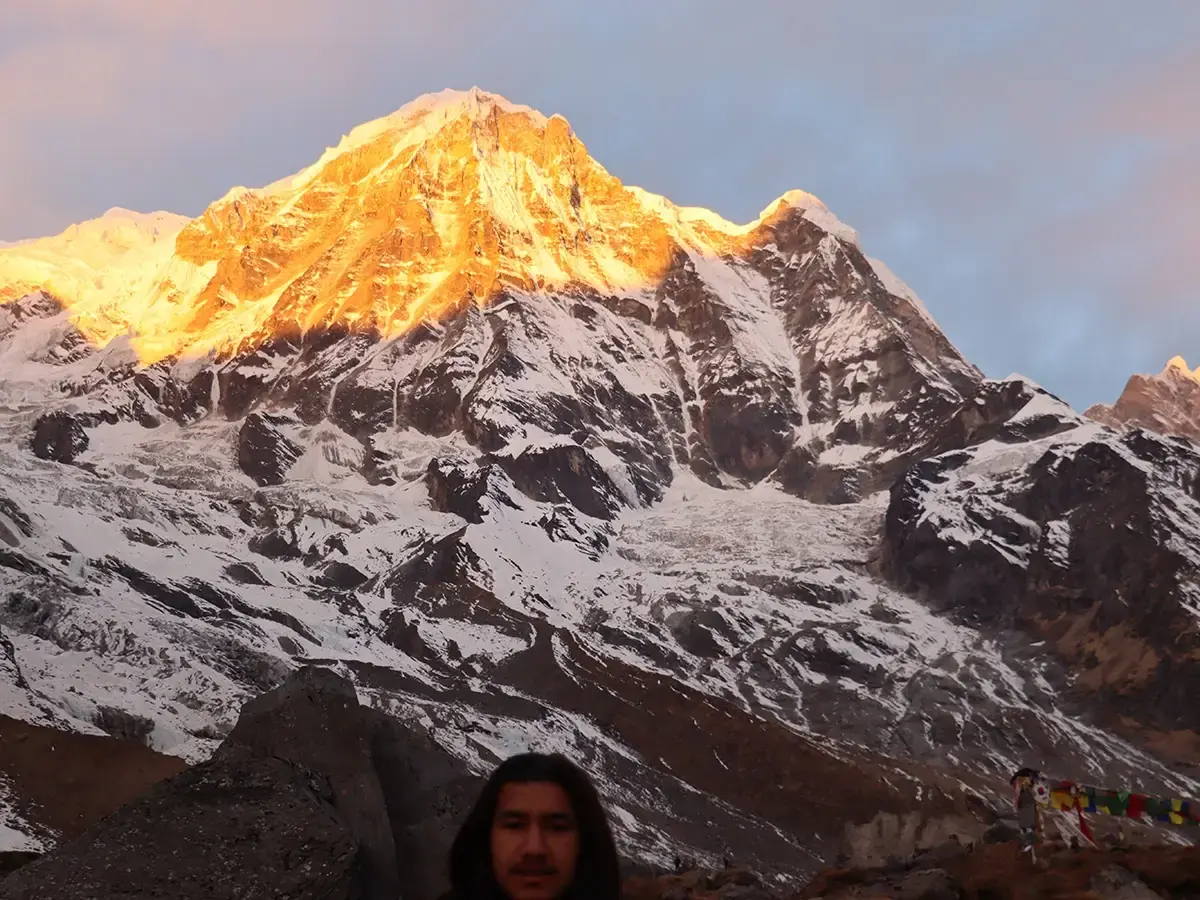
The Annapurna Base Camp Trek via Poon Hill is considered one of the most picturesque and rewarding treks in Nepal, which combines the sunrise view from the popular Ghorepani Poon Hill trek with the majestic Himalayan scenery of the Annapurna Base Camp. This trek is a once-in-a-lifetime experience for trekkers, where they pass through the lush rhododendron forests, verdant farmlands, and traditional Gurung and Magar villages, before gradually entering the alpine terrain of the Annapurna Sanctuary. Along the way, the trekkers are rewarded with breathtaking views of the Himalayas, including Annapurna I, Machapuchare (Fishtail), Hiunchuli, and Annapurna South, besides experiencing the genuine teahouse culture and hospitality of the Nepalese people.

The route via Ghorepani is an unforgettable experience, where trekkers hike to Poon Hill at an altitude of 3,210m at dawn to witness one of the most breathtaking sunrises over the Himalayas, including the Annapurna and Dhaulagiri ranges. This trek is considered one of the best treks for those seeking a moderate-level trek with diverse scenery and rich cultural experiences.

Best Time to do the Annapurna Base Camp Trek via Poon Hill

The best time to do the Annapurna Base Camp Trek via Poon Hill is during the spring season, i.e., from March to May, and autumn, i.e., from September to November. During these times, the skies are clear, and the weather remains stable with the best view of the mountains. It is also beautiful during the spring season because the rhododendron forests on the Ghorepani trail are filled with colorful flowers during this time. However, the winter season, i.e., from December to February, is not very busy, and the monsoon season, i.e., from June to August, is not the best time to do the trek because of the rainfall and the slippery terrain.

Highlights of the Annapurna Base Camp Trek via Poon Hill

  • Enjoy the spectacular sunrise from the viewpoint of Poon Hill (3,210 m) with the panoramic views of the Annapurna and Dhaulagiri ranges.
  • Trek through the beautiful rhododendron forests along the hillsides, which will be in full bloom during the spring season.
  • Experience the rich culture of the people of the Gurung and Magar villages of Ghorepani, Tadapani, and Jhinu.
  • Reach the spectacular Annapurna Base Camp (4,130 m) surrounded by the towering Himalayan ranges in the Annapurna Sanctuary.
  • Enjoy the spectacular views of the surrounding Himalayan ranges including Annapurna I, Machapuchare (Fishtail), Hiunchuli, and Annapurna South.
  • Trek through the varied landscapes of the Annapurna region from subtropical forests to waterfalls to the alpine valleys and glaciers.
  • Relax in the natural hot water springs of Jhinu Danda after days of trekking through the Himalayas.
  • Trek through the beautiful teahouses along the route of the trek.
  • Trek through one of the most spectacular routes of the trekking trail in the Annapurna region, combining the trek to the Ghorepani Poon Hill and the Annapurna Base Camp.
Annapurna Base Camp Trek via Poon Hill Itinerary

Day 1

Arriving in Kathmandu, Tribhuvan International Airport - Getting to the Hotel

Overnight at Kathmandu

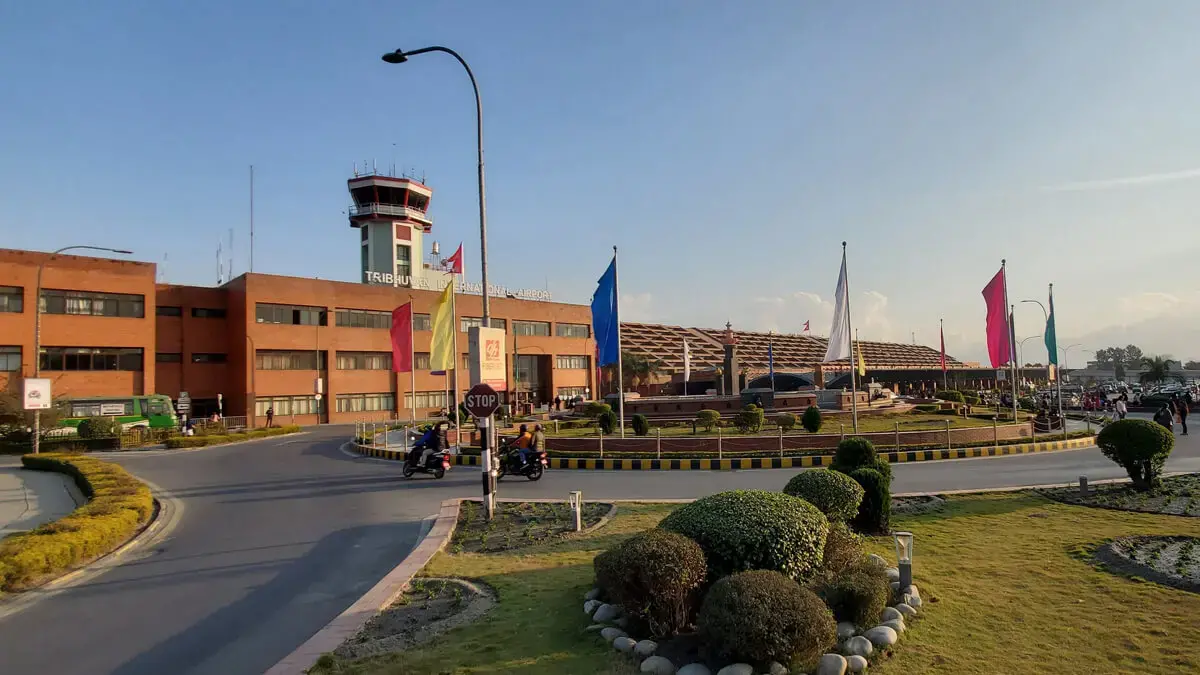
The Annapurna Base Camp via Poon Hill trek begins the moment you land at Tribhuvan International Airport in Kathmandu, the capital city of Nepal. As you step out of the airport, a representative from Evertrail Adventure Trek will greet you. He will then accompany you to the hotel in the city.

Kathmandu is a city that promises a rich introduction to the country. Ancient temples, markets, and streets filled with the aroma of spices and street food characterize this capital city. After checking into the hotel, you can spend the day relaxing after the long international flight or exploring the streets of Thamel, the tourist district of Kathmandu known for trekking gear, cafes, and cultural souvenirs.

In the evening, the representatives from Evertrail Adventure Trek will give you a brief introduction to the trek. Your guide will walk you through the route, safety measures, altitude, and other important tips for the trek.

tia airport 2
Day 2

Kathmandu to Pokhara by Tourist Bus

Overnight stay at Pokhara

Breakfast will be followed by a bus ride from Kathmandu to Pokhara. The bus ride will be a scenic one with sofa seats. The bus ride usually takes about 7-8 hours to cover the distance between the two cities via the Prithvi Highway along the Trishuli River.

During the bus ride, you will be treated to the diverse geographical features of Nepal. You will see the terraced farmlands cut into terraces on the hillsides. Along the route, you will also see villages situated on the hilltops with the river valley below. Additionally, you will see the greenery of the forests on the mid-hills.

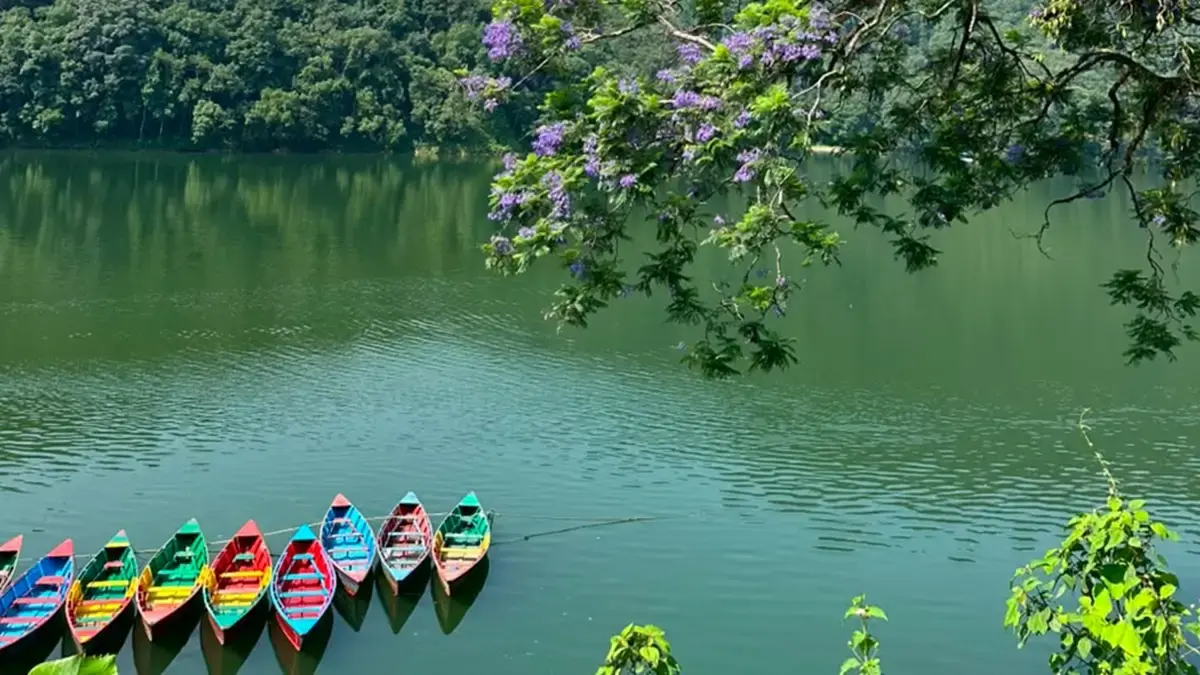
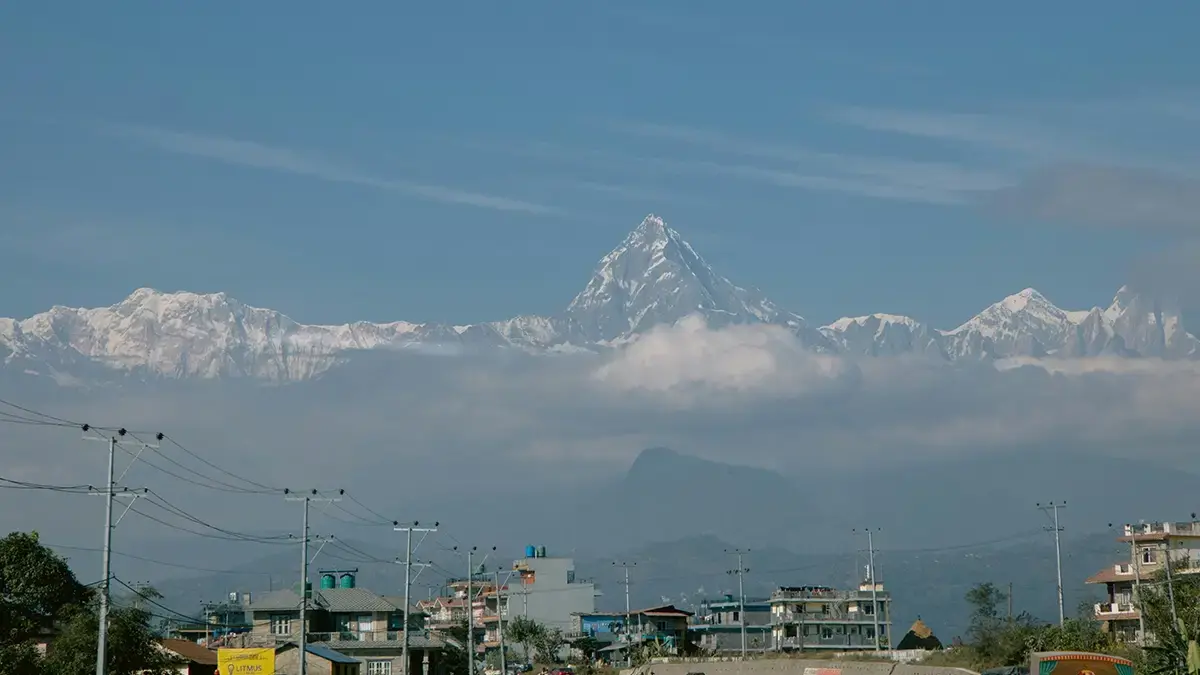
In the afternoon or evening, you will reach Pokhara. Pokhara is a famous trekking hub in Nepal. Located near the serene Phewa Lake, the town also offers a view of the Annapurna mountain range on a clear day. Additionally, you can see the Machapuchare peak from Pokhara. Many trekkers take a relaxed walk around the Lakeside area of Pokhara to mentally and physically prepare for the trek the next day.

Duration: 7-8 hours
Mode of Transportation: Tourist Bus
pokhara 1
Day 3

Pokhara to Banthanti, then a trek up to Ghorepani (2,860 m)

Overnight at Ghorepani

Today is the starting point for your trekking adventure. After breakfast at Pokhara, you begin the journey to the foothills of the Annapurnas, where you will begin the trek at Banthanti.

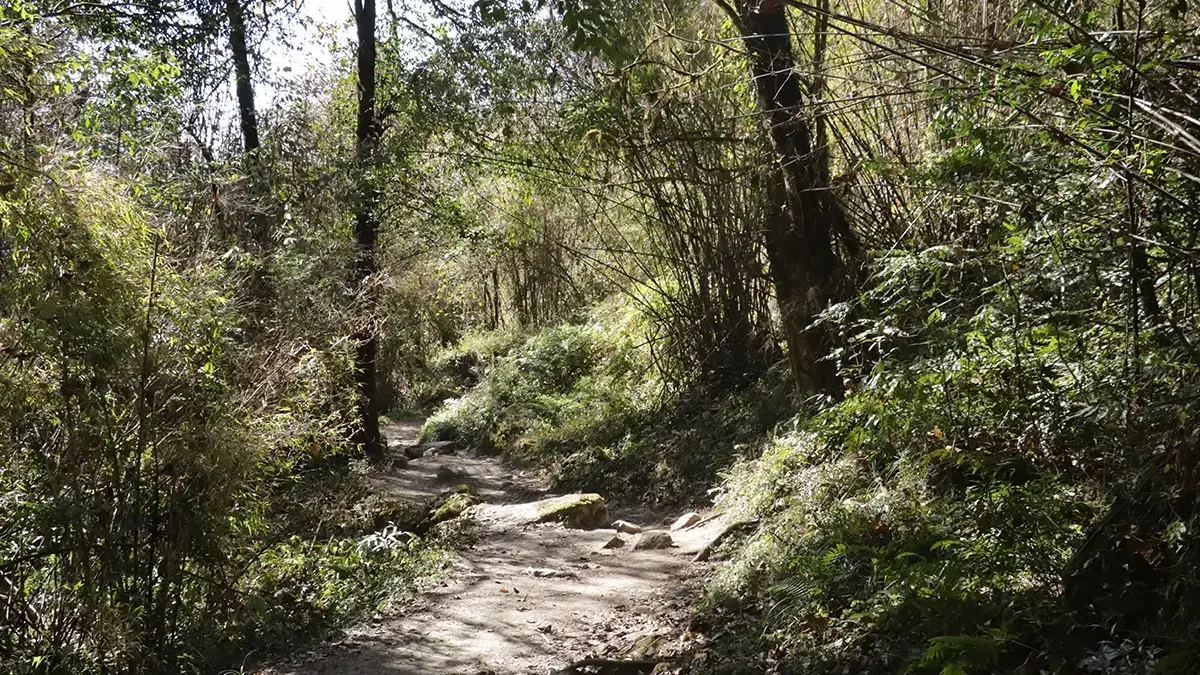
The trek from Banthanti is through thick forest, mainly oak and rhododendron, which is part of the Annapurna Conservation Area. This is the best time to visit this area, as the rhododendrons are in full bloom during the spring season.

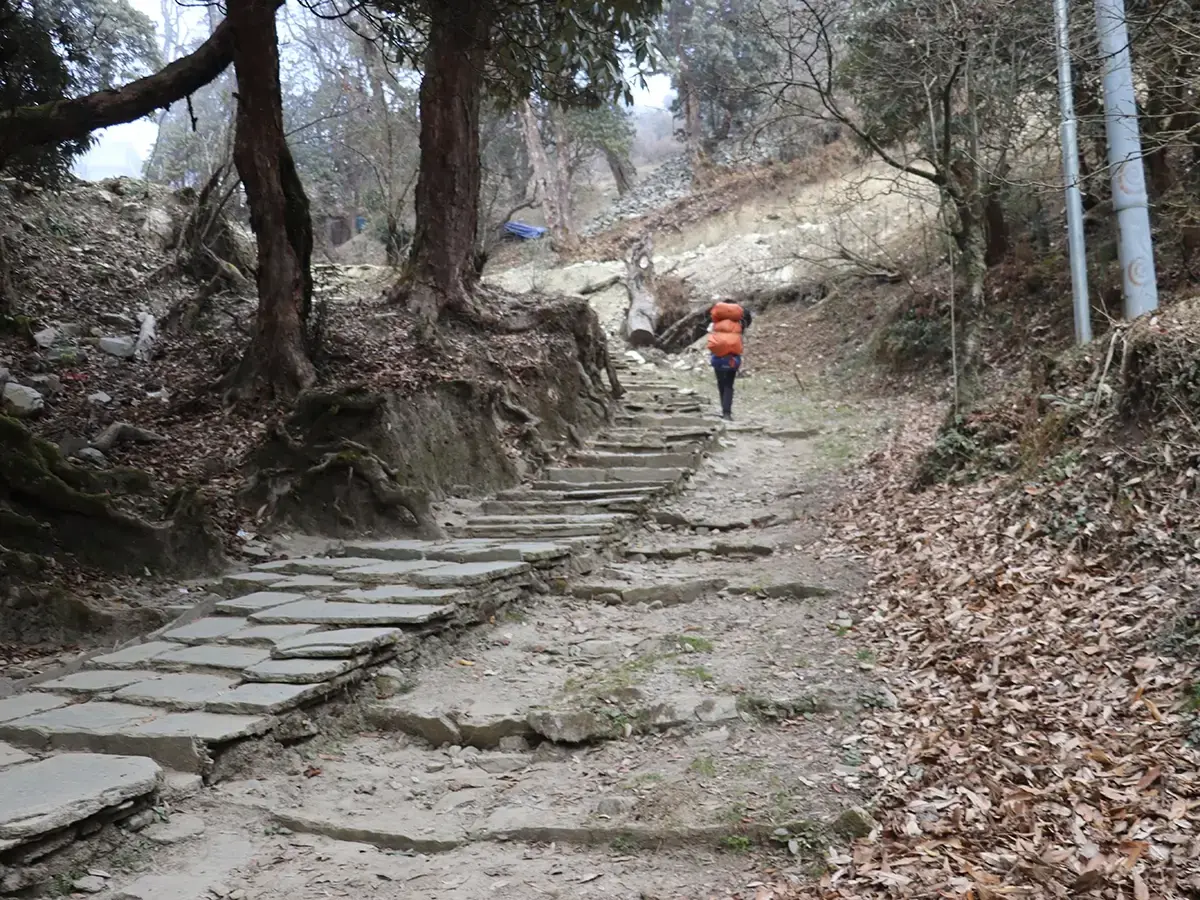
The route is well-marked, with stone stairs and forest paths, making it one of the most picturesque parts of the trek. As you go up, the cooler climate and occasional glimpses of the mountains hint at the adventure that is to come.

In the late afternoon, you arrive at Ghorepani, a picturesque mountain village at an altitude of 2,860 meters. Ghorepani has historically been an important stop for merchants carrying salt and other commodities across the high mountain terrain. Today, it is famous for the panoramic views of the mountains and the cozy teahouses.

Max Altitude: 2,860 m
ghorepani
Day 4

Early Morning Hike to Poon Hill (3,210 m) for Sunrise – Trek to Tadapani (2,630 m)

Overnight at Tadapani

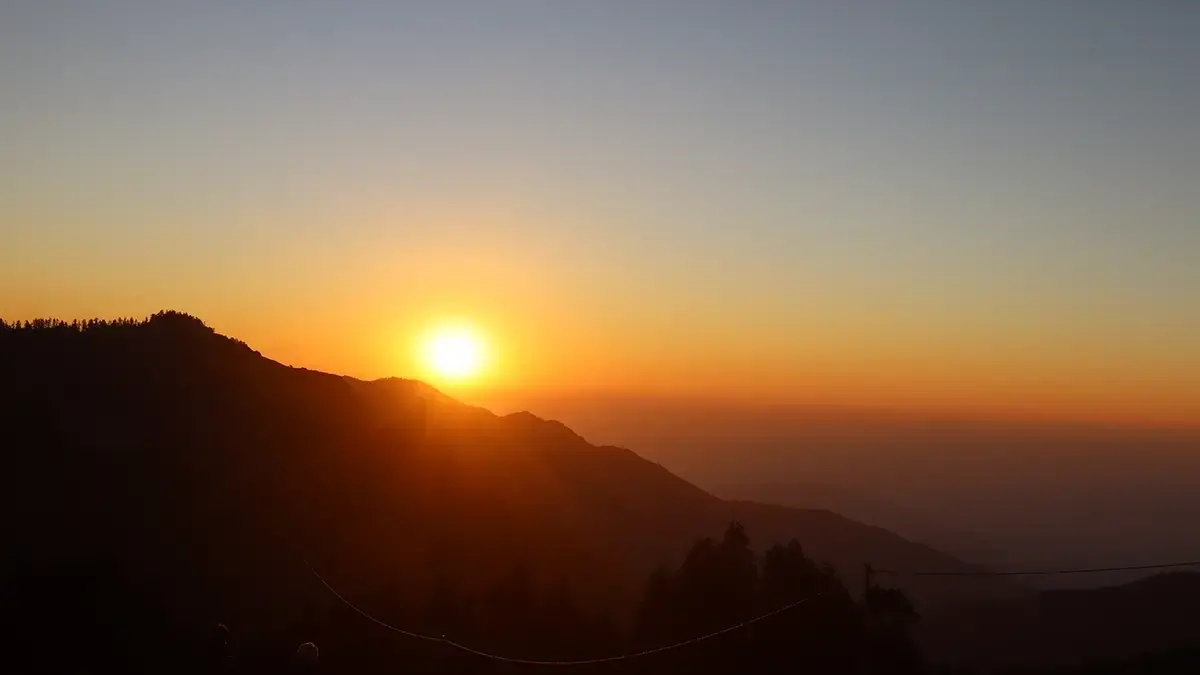
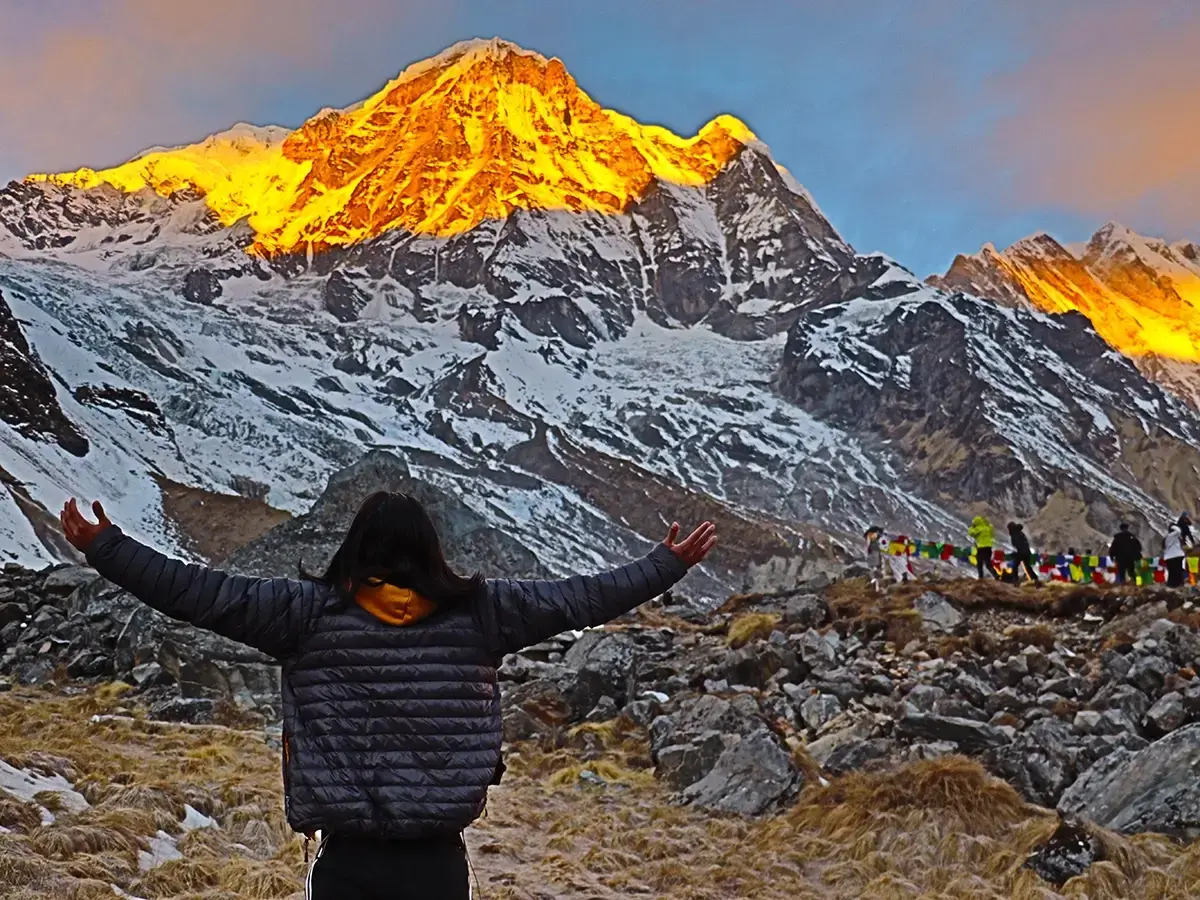
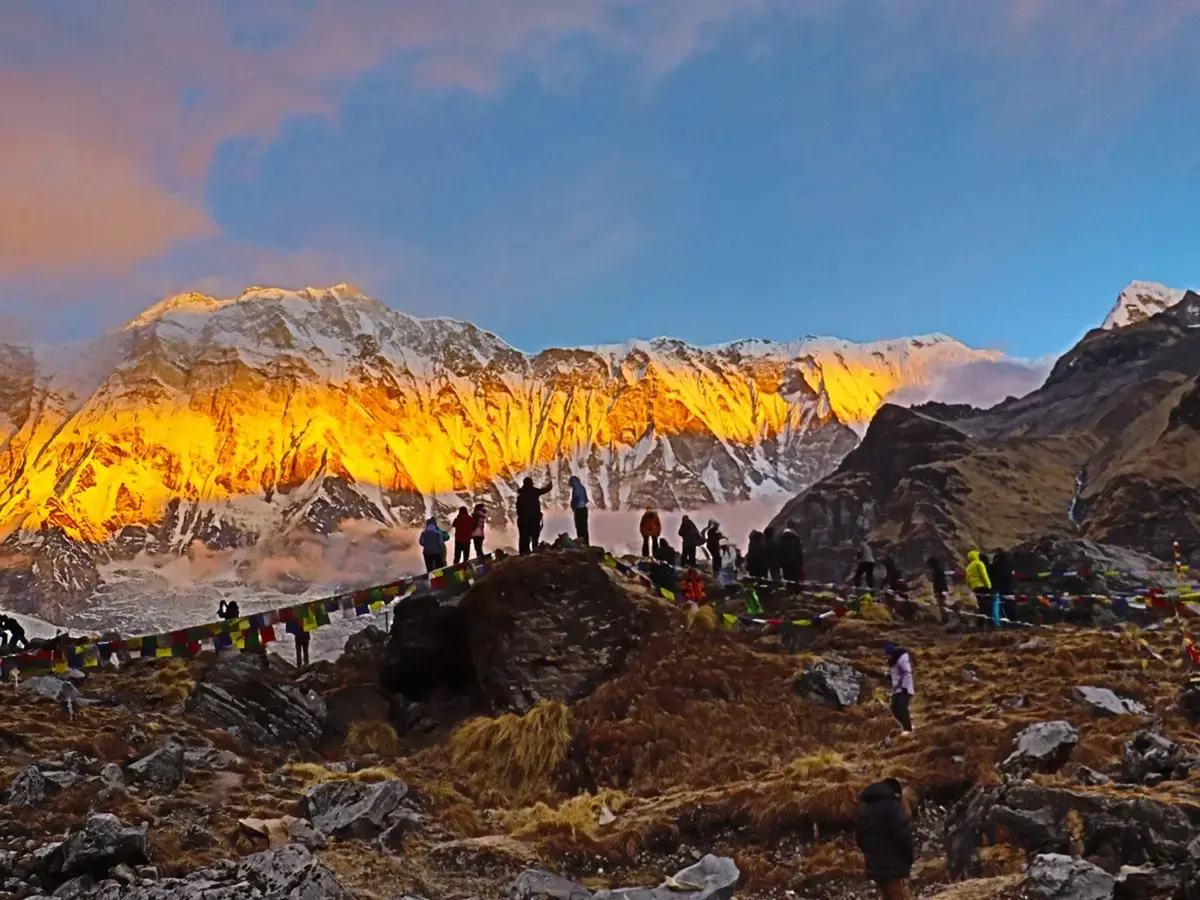
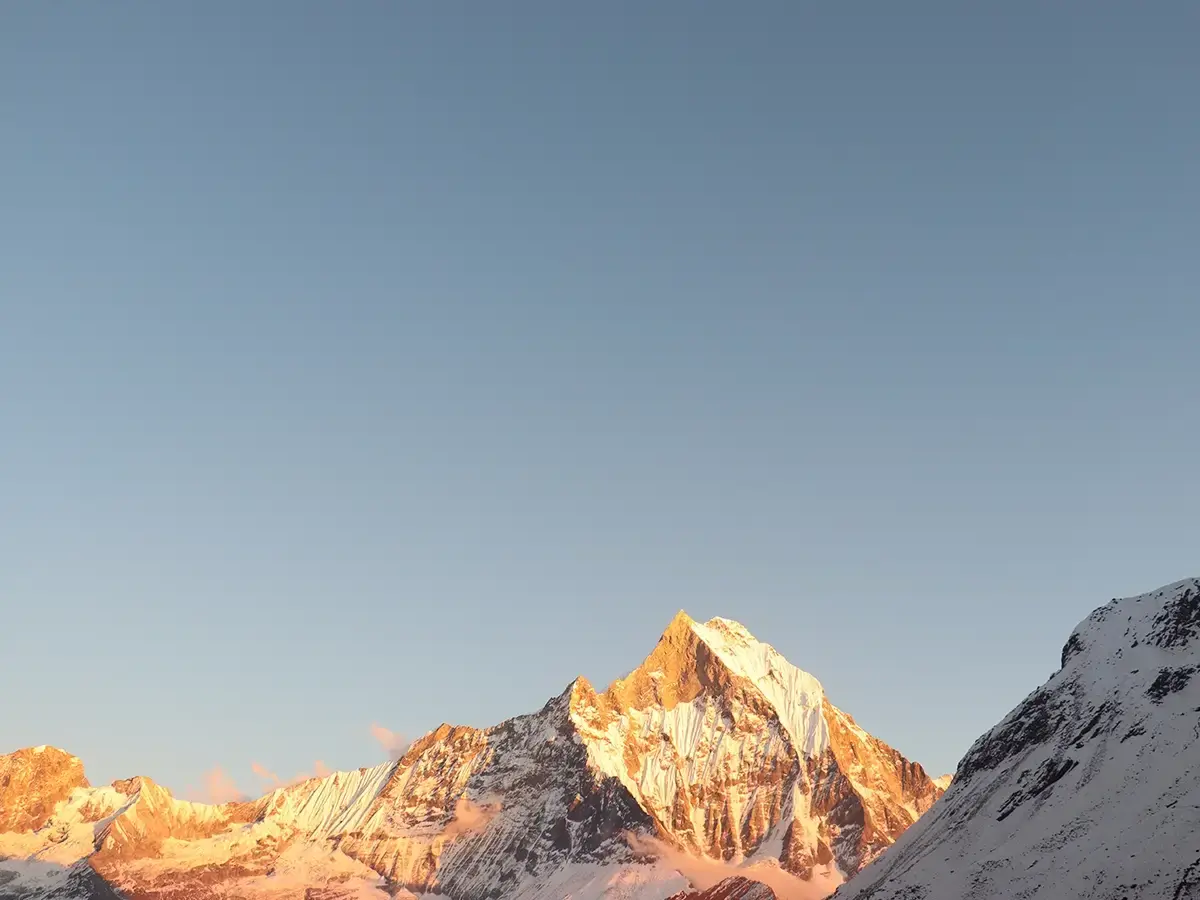
In the early morning, you begin the trek to Poon Hill, one of the most famous spots for viewing the Himalayas. The hike to Poon Hill is for about 45-60 minutes, after which you can enjoy the sunrise. Watching the first rays of the sun peek through the horizon is a breathtaking experience, especially as the snow-capped peaks of Annapurna, Dhaulagiri, Annapurna South, and Machapuchare shine golden in the first light of the sun. This is perhaps the most memorable experience for trekkers.

After the sunrise, the trek begins, descending to Ghorepani for breakfast, then continuing the journey through the forest to Tadapani. Along the route, the forest is thick with rhododendrons, while there are occasional glimpses of the mountains. Tadapani is a picturesque spot, perched high on a ridge, surrounded by forest, with breathtaking views of Machapuchare and the Annapurnas.

Duration: 7–8 hours
poonhill
Day 5

Tadapani to Lower Sinuwa (2,360 m)

Overnight in Sinuwa

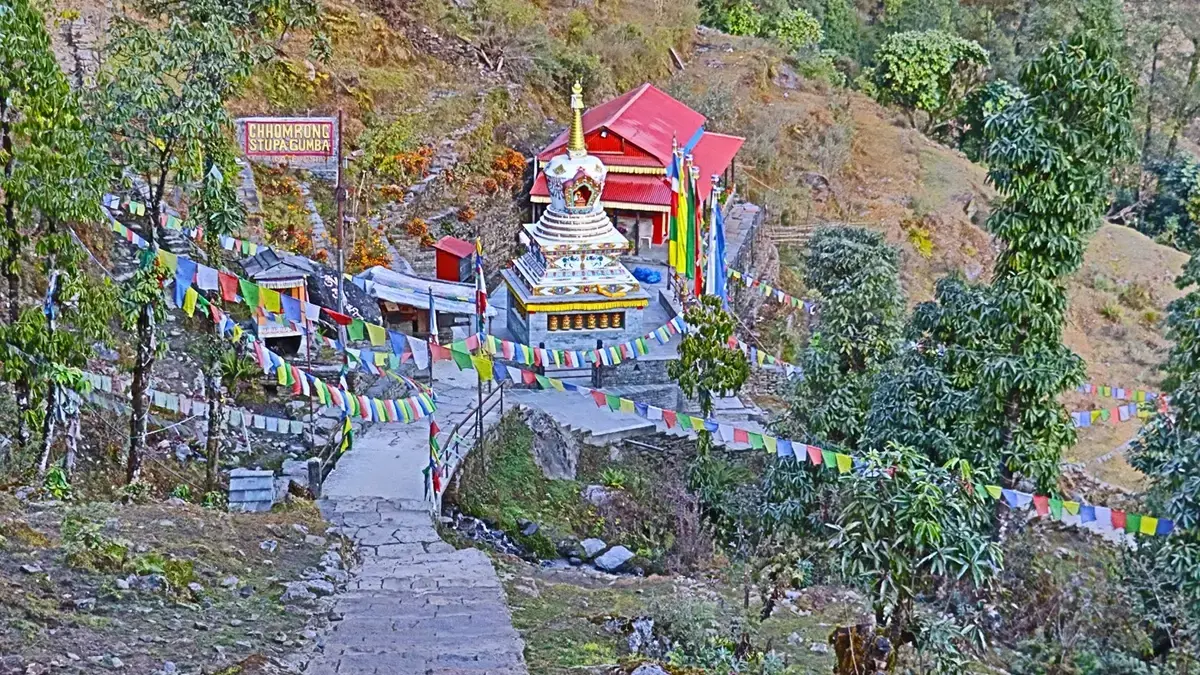
On the fifth day of your Annapurna Base Camp Trek, the trail descends from Tadapani into a lush forest and continues towards the river valley below. Eventually, you will reach Chhomrong, which is considered the largest and most culturally vibrant town in the Annapurna region.

Chhomrong is home to the Gurung people, who are known for their hospitality and rich cultural heritage. From here, you can experience the stunning views of Machapuchare and Annapurna South towering above the valley.

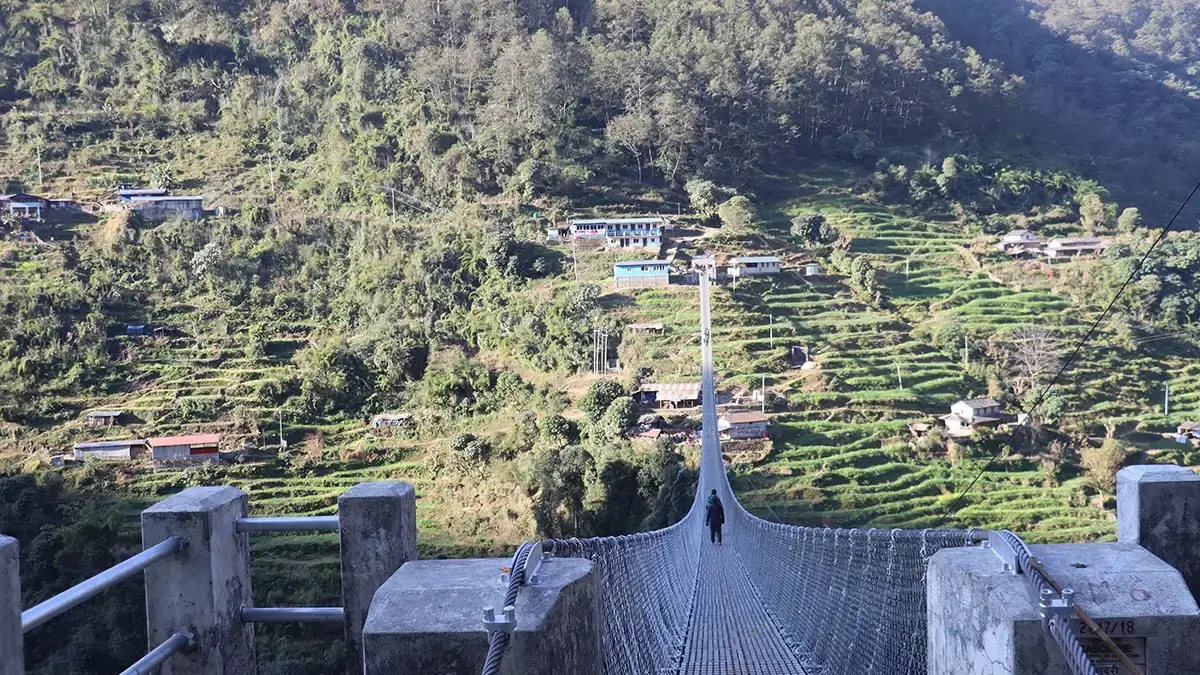
Once you cross a suspension bridge over the Chhomrong Khola, you will continue your ascent towards Lower Sinuwa through bamboo forests. This is where you will enter the real Annapurna Sanctuary, as the landscape becomes more alpine and remote.

Max Altitude: 2,360 m
Duration: 6-7 Hours
Day 6

Lower Sinuwa to Himalaya (2,890 m)

Overnight at Himalaya.

From Sinuwa, the trek proceeds through a serene valley of dense bamboo and rhododendron forests. Along the Modi Khola Valley, the trek offers beautiful scenery with waterfalls and cliffs.

As the trek proceeds, the vegetation changes from dense forests to alpine scenery. Along the route, you might pass through small settlements like Bamboo and Dovan, which are good places to have lunch or a cup of tea.

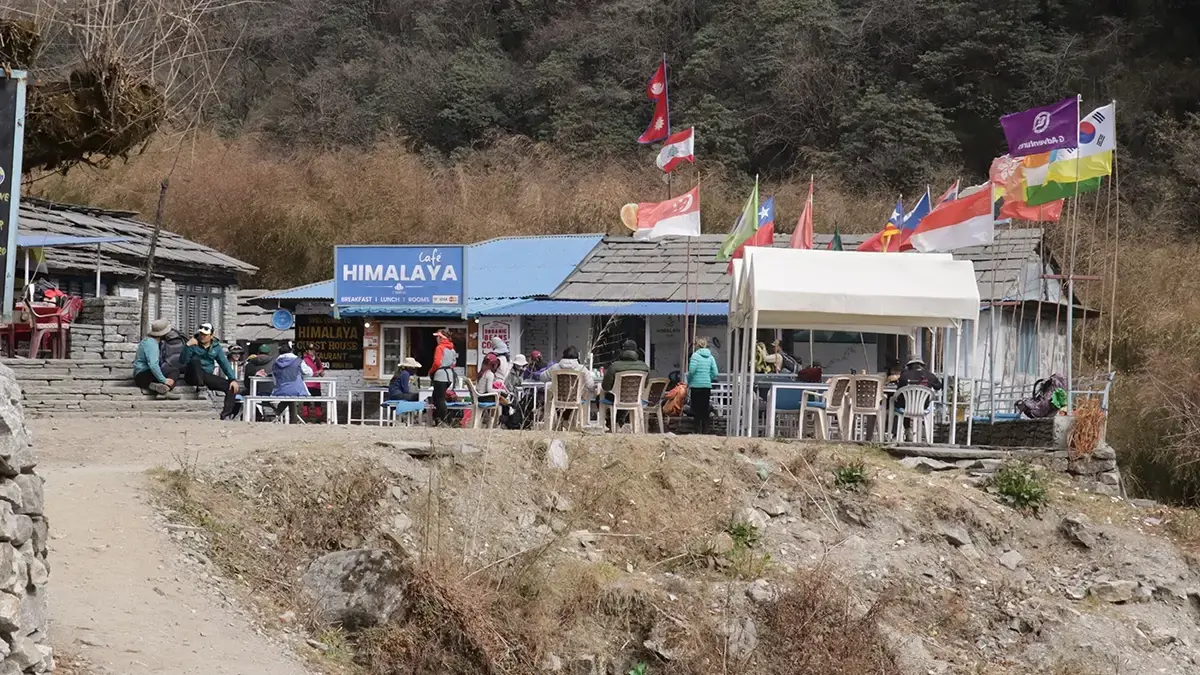
In the afternoon, you arrive at Himalaya, a small settlement of teahouses located among the cliffs and trees. The temperature drops as you ascend higher, and the scenery hints at the entrance to the Annapurna Sanctuary.

It is time to rest and drink plenty of water to prepare for the high altitude sections of the trek to Machapuchare Base Camp and finally Annapurna Base Camp.

Duration: 6-7 hours
himalaya 1
Day 7

Himalaya to Annapurna Base Camp (4,130 m)

Overnight at Annapurna Base Camp.

Today is one of the most rewarding parts of the trekking experience as you venture deeper into the heart of the Annapurna Sanctuary. Along the trail, you can expect to see breathtaking views of mountains as you trek through the alpine landscape.

As you continue to trek along the trail, you finally reach the Machapuchare Base Camp at an altitude of 3,700 meters. This is a scenic viewpoint that offers breathtaking views of the sacred Fishtail Mountain. This place has great spiritual significance as climbing the mountain is prohibited.

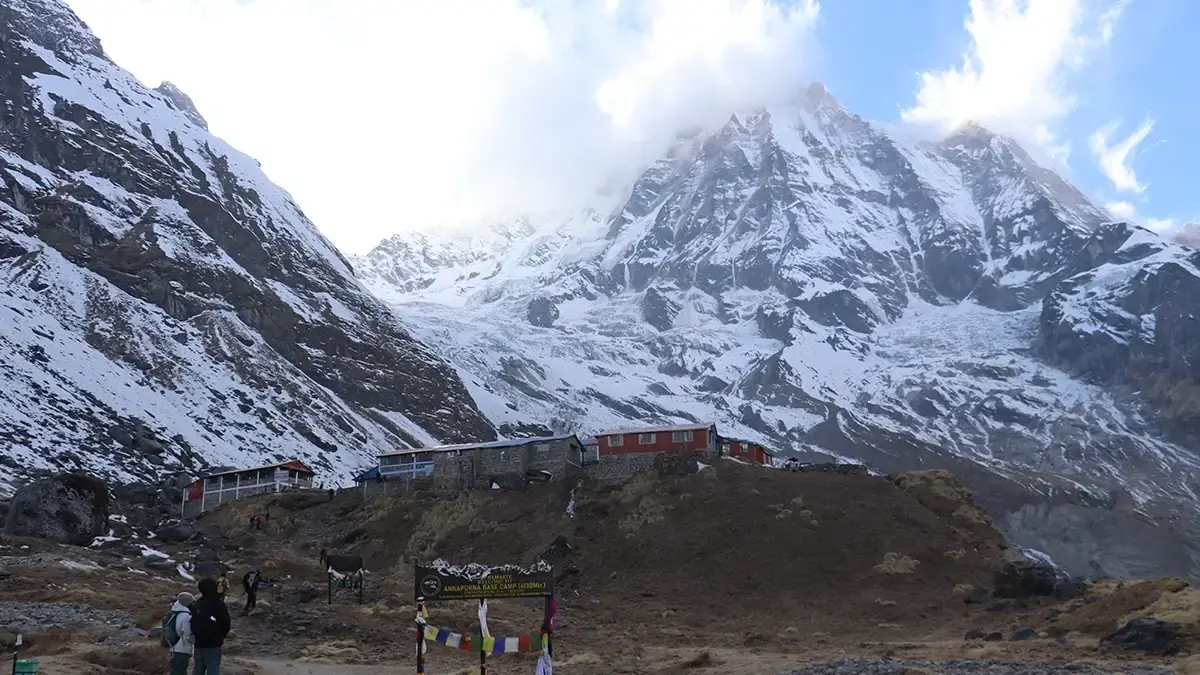
As you continue to trek along the trail, you finally reach the broad glacial basin that offers breathtaking views of the towering mountains that make up the Annapurna massif. Along the trail, you finally reach the Annapurna Base Camp at an altitude of 4,130 meters.

As you reach the Annapurna Base Camp, you can expect to experience one of the most breathtaking views of the Himalayas as you trek along the trail. Along the trail, you can expect to see breathtaking views of the towering mountains that make up the Annapurna massif. These mountains include Annapurna I, Annapurna South, Hiunchuli, and Gangapurna.

Max Altitude: 4,130 m
Duration: 4-5 hours
annapurna
Day 8

Trek from Annapurna Base Camp to Bamboo (2,310 m)

Overnight at Bamboo

There is something magical about the early morning hours at Annapurna Base Camp. Many trekkers prefer to wake up before dawn to witness the first light of the sun illuminating the Himalayan Range that surrounds the sanctuary.

With your morning cup of tea or coffee in hand, you will begin your descent from the alpine basin as you head back towards Machapuchare Base Camp.

As you descend from Annapurna Base Camp, you will find the scenery gradually changing from the harsh alpine landscape to a more gentle environment. You will pass through some villages like Dovan before arriving at Bamboo.

Along the way, you will find the breathing process easier as you descend towards Bamboo. You should be careful with your footsteps, especially as you descend the stone steps. By the end of the day, you can find accommodation at a teahouse at Bamboo and enjoy the satisfaction of having reached Annapurna Base Camp.

Max Altitude: 2,310 m
Duration: 7-8 Hours
bamboo 1
Day 9

Trek from Bamboo to Jhinu Danda – Drive to Pokhara

Overnight in Jhinu

Leaving Bamboo behind, the descent continues through a forest trail into a bustling village called Chhomrong. During this trek, you will enjoy a scenic view of the valley below and the surrounding hills.

From Chhomrong, the trail continues to descend further into a village called Jhinu Danda, a beautiful village famous for its hot water springs. Many people trek down to the riverside hot water pools in Modi Khola, where they enjoy a relaxing experience after a series of days trekking.

From Jhinu, you will continue your journey back to Pokhara by road, marking the end of your trekking experience. It is a refreshing experience returning to Pokhara after a series of days trekking in the mountains. You could enjoy a celebratory dinner in the evening near Phewa Lake.

jhinudanda 1
Day 10

Pokhara to Kathmandu by road (approximately 7-8 hours)

Overnight at Kathmandu

You start the day with breakfast, after which you begin the return journey from Pokhara to Kathmandu. You will drive along the Prithvi Highway, which passes through the sides of river valleys, villages, and towns, providing ample opportunity to stop, take a break, and enjoy the scenery.

This is a welcome respite after the rigors of the trek, during which you reflect upon the incredible experiences you had during the trek, watching the sunrise from the top of Poon Hill, trekking through the rhododendron forests, and being at the foot of the majestic Annapurnas at the Base Camp.

When you arrive at Kathmandu, you will be dropped at the hotel. You may spend the day exploring the Thamel area, shopping for souvenirs, or celebrating the successful completion of the trek with the trek crew at a restaurant.

Duration: 7-8 hours
Day 11

Departure

This is the day to bid goodbye to the Himalayas. Depending upon the time of your flight, a representative from Evertrail Adventure Trek will drop you at Tribhuvan International Airport to begin your journey back home.

As you depart from Nepal, you carry with you the memories of the incredible experiences you had during the trek, watching the sunrise at Poon Hill, the breathtaking scenery of the Himalayas at the Annapurna Base Camp. This trek has been a life-changing experience for many, and the memories of this trek provide the impetus for planning future treks to the Himalayas.

Did not find what you’re looking for? No worries! Our experts would love to create a package just for you.

Essential Information

Trek Difficulty and Fitness Level

The Annapurna Base Camp Trek via Poon Hill is a moderate trekking adventure that requires travelers to have a reasonable level of fitness. This means that travelers can expect to walk around 5 to 8 hours every day on different kinds of terrain, including stone steps, trails through forests, and gentle mountain climbs. It is not necessary to have any experience with trekking or hiking to undertake the Annapurna Base Camp Trek via Poon Hill with Evertrail Adventure Trek. However, having a reasonable level of stamina and fitness through some form of exercise or physical activity before the trek is recommended.

Through the expertise of the trekking professionals at Evertrail Adventure Trek, you can expect to have a safe and hassle-free experience on the trekking trails to the Annapurna Base Camp Trek via Poon Hill, regardless of whether you are a first-time trekker to the Himalayas or not.

Altitude and Acclimatization

The maximum altitude that you can expect to reach during the Annapurna Base Camp Trek via Poon Hill is to the Annapurna Base Camp at an altitude of 4,130 meters or 13,550 feet above sea level.

Evertrail Adventure Trek’s trekking route takes you through a steady and careful climb through villages like Ghorepani, Tadapani, and Sinuwa, and then gradually moves towards the base camp of Machapuchare. Experienced guides keep a watchful eye on any altitude sickness and provide valuable advice on how to keep you hydrated and energized.

Accommodation during the Trek

Accommodation during the trekking route is provided by traditional teahouses and mountain lodges. These teahouses are family-owned and provide simple but comfortable rooms with twin beds, blankets, and bathroom facilities.

Evertrail Adventure Trek has made arrangements with teahouses that offer clean facilities and traditional Nepali hospitality. In Kathmandu and Pokhara, we provide comfortable hotel rooms to stay in.

Meals and Food during the Trek

Meals during the trekking route are provided by traditional teahouses along the route. Three meals a day are provided during the trekking route. The menu generally offers traditional Nepali dishes like dal bhat with vegetables, noodles, soups, fried rice, pancakes, eggs, and vegetables.

Evertrail Adventure Trek ensures that you get healthy and nutritious food to keep you energized during long trekking routes. Experienced guides provide valuable advice on healthy foods and how to keep you hydrated during the trekking route.

Permits and Entry Requirements

Trekking in the Annapurna Conservation Area requires special permits for each traveler. This helps to protect the environment as well as the local population.

When you choose to trek with Evertrail Adventure Trek, the necessary permits will be obtained before the trip. This will allow you to enjoy the trek without the hassle of dealing with the paperwork.

Professional Guides and Porter Support

Trekking requires professional guides as well as the support of porters. Professional guides are essential for a safe and successful trek. They are trained to handle the challenges of the mountain terrain. They are familiar with the geography, history, and culture of the Annapurna Region.

When you choose to trek with Evertrail Adventure Trek, you will be accompanied by professional English-speaking guides. They will be assisted by reliable porters. They will carry the heavy luggage, leaving you free to carry a light backpack.

Transportation and Logistics

The trip includes transportation from Kathmandu to Pokhara. Along the way, there is the opportunity to see the different aspects of Nepal. This is a chance to see the different geographical features of Nepal. They include the river basins, the hills, the mountains, the plains, and the forests.

Evertrail Adventure Trek will take care of the logistics of the trip. They will pick you up at the airport, transfer you to the hotel, transport you to the trek, and coordinate the transportation with the teahouses along the route. They will do the same for the return trip.

Responsible and Sustainable Trekking

The Annapurna Region is one of the most beautiful destinations in Nepal. It is also one of the most sensitive. It is essential to protect the environment as well as the cultures of the local population. By doing this, the beauty of the Annapurna Sanctuary will be maintained for future generations.