
Trekking in the Nepal Himalaya is a remarkable experience that combines adventure, natural beauty, and rich mountain culture. From famous routes like Everest Base Camp and the Annapurna Circuit to quieter remote trails, Nepal offers treks for beginners and experienced hikers alike. Trekkers enjoy breathtaking peaks, traditional villages, forests, rivers, and monasteries along the way. The journey also requires preparation, altitude awareness, and respect for local customs and the environment. With its stunning scenery and warm hospitality, trekking in Nepal is more than a physical challenge—it is a memorable cultural and spiritual adventure in the heart of the Himalaya.
Explore . Experience . Evolve
Trekking in Nepal
Activities
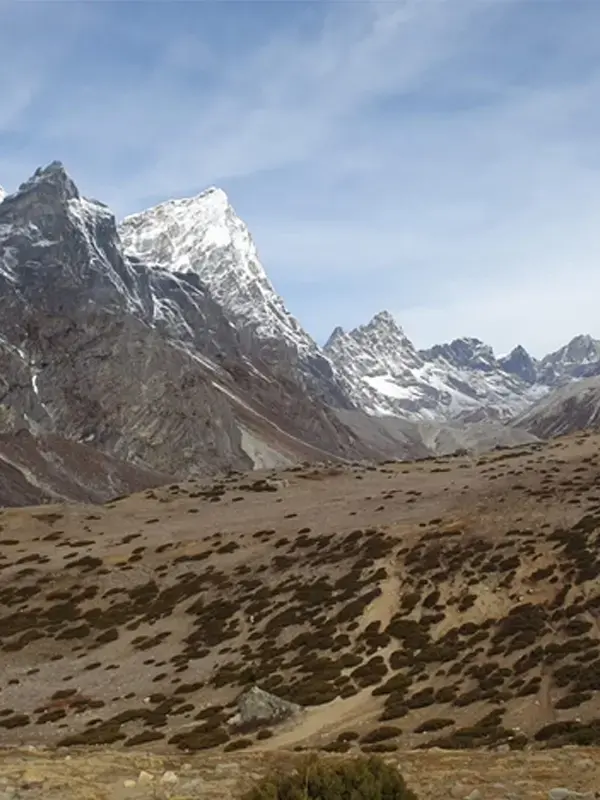
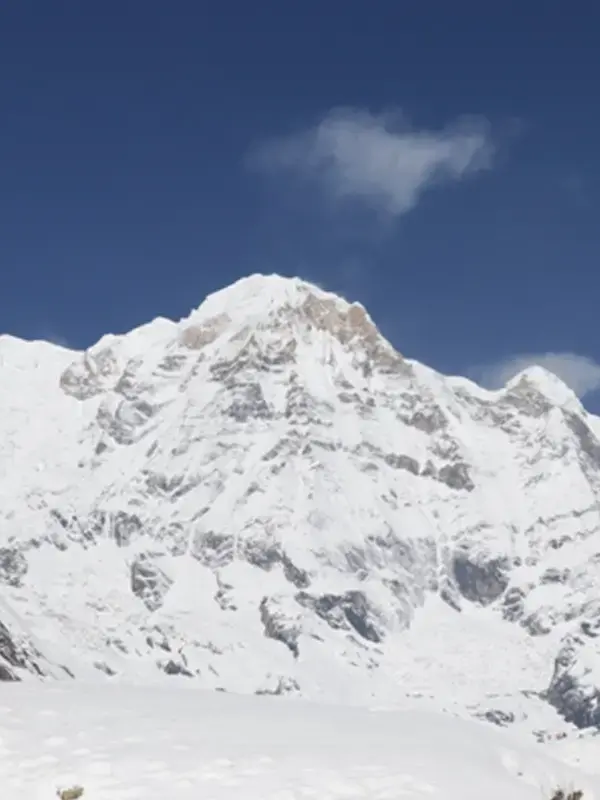
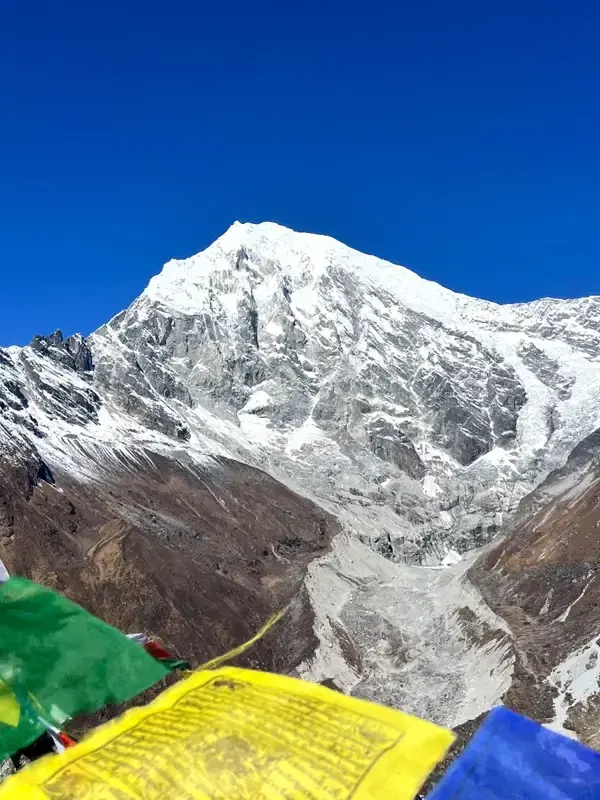
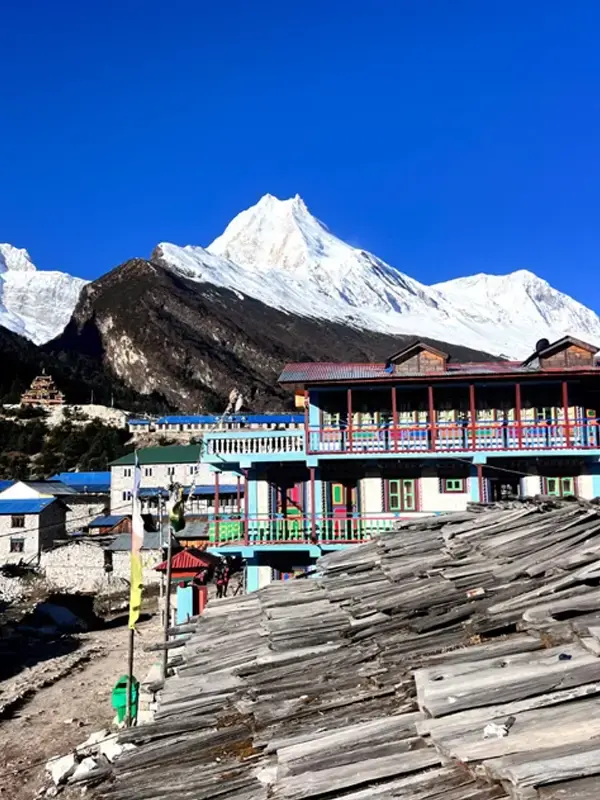
Trekking in the Nepal Himalaya is one of the world’s most rewarding travel experiences. The country is home to some of the highest mountains on Earth, including Mount Everest, Annapurna, Langtang, Manaslu, and many other dramatic peaks that rise above deep valleys, glacial rivers, and remote mountain villages. For many travelers, trekking in Nepal is not only about reaching a destination but also about experiencing the beauty of nature, local culture, and the spirit of adventure along the way.
Nepal offers treks for all levels of travelers. Some routes are short and moderate, while others demand long days, high altitude, and strong physical endurance. Popular trails such as the Everest Base Camp Trek and the Annapurna Circuit attract thousands of visitors each year because they combine spectacular mountain scenery with rich cultural encounters. Trekkers often pass through traditional Sherpa, Gurung, Tamang, and Magar villages where stone houses, prayer flags, monasteries, and terraced fields create a memorable Himalayan atmosphere. Along the trail, one can enjoy warm hospitality, local food, and a lifestyle shaped by centuries of mountain living.
The natural beauty of the Nepal Himalaya is extraordinary. Snow-covered peaks, rhododendron forests, suspension bridges, alpine meadows, and crystal-clear streams make every step visually rewarding. In spring, the hills bloom with colorful flowers, while autumn offers clear skies and excellent mountain views. Winter treks are quieter and more peaceful, though colder, while monsoon season brings lush greenery but also rain and limited visibility. Each season gives the Himalaya a different character, allowing trekkers to choose the experience that suits them best.
Trekking in Nepal also comes with a sense of challenge and achievement. The high altitude can make walking difficult, and proper acclimatization is essential. Trekkers must move gradually, stay hydrated, and listen to their bodies to avoid altitude sickness. Good preparation is important, including suitable clothing, sturdy boots, a reliable backpack, and support from experienced guides or porters when needed. Many travelers choose guided treks for safety, local knowledge, and convenience, especially on longer or more remote routes.
Beyond the physical adventure, trekking in Nepal connects people with culture and history. Ancient monasteries, spinning prayer wheels, mountain festivals, and traditional customs add depth to the journey. In some regions, trekkers can also learn about Buddhist and Hindu traditions, gaining insight into the spiritual life of the Himalaya. This blend of nature and culture makes trekking in Nepal unique compared to many other trekking destinations in the world.
In recent years, trekking has become an important part of Nepal’s tourism economy, supporting local communities and helping preserve mountain livelihoods. Responsible trekking, such as respecting local customs, reducing plastic waste, and staying on marked trails, helps protect the fragile environment. For travelers seeking adventure, peace, and inspiration, trekking in the Nepal Himalaya offers an unforgettable journey through some of the most magnificent landscapes on the planet.
Our Affiliations





Need Help? Call Us +977 9841956828