Trip Facts
Duration:
13 Days
Country:
Nepal

Highlights of Manaslu Tsum Valley Trek

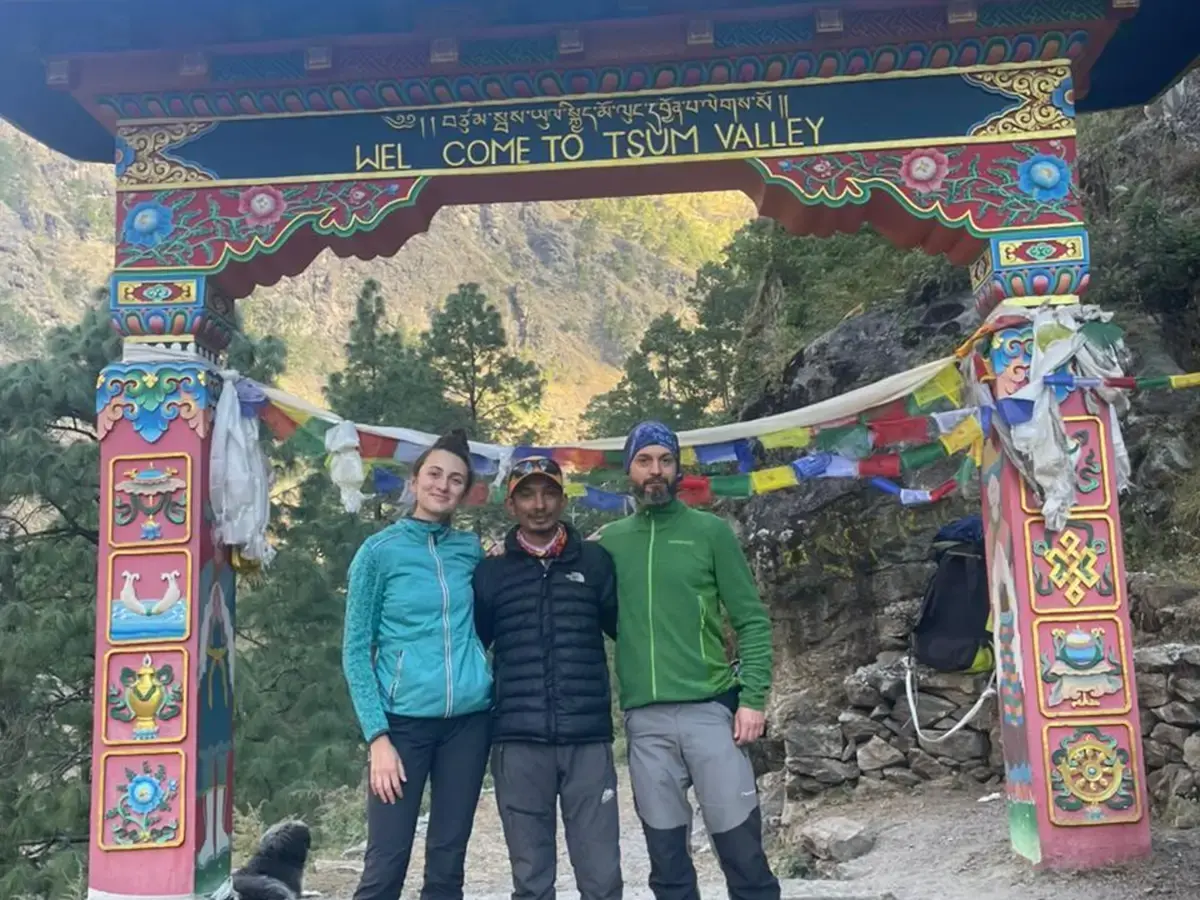
  • Trek over an isolated region in Manaslu Region that is so culturally preserved that its traditions of Tibetan Buddhism have remained untouched for generations
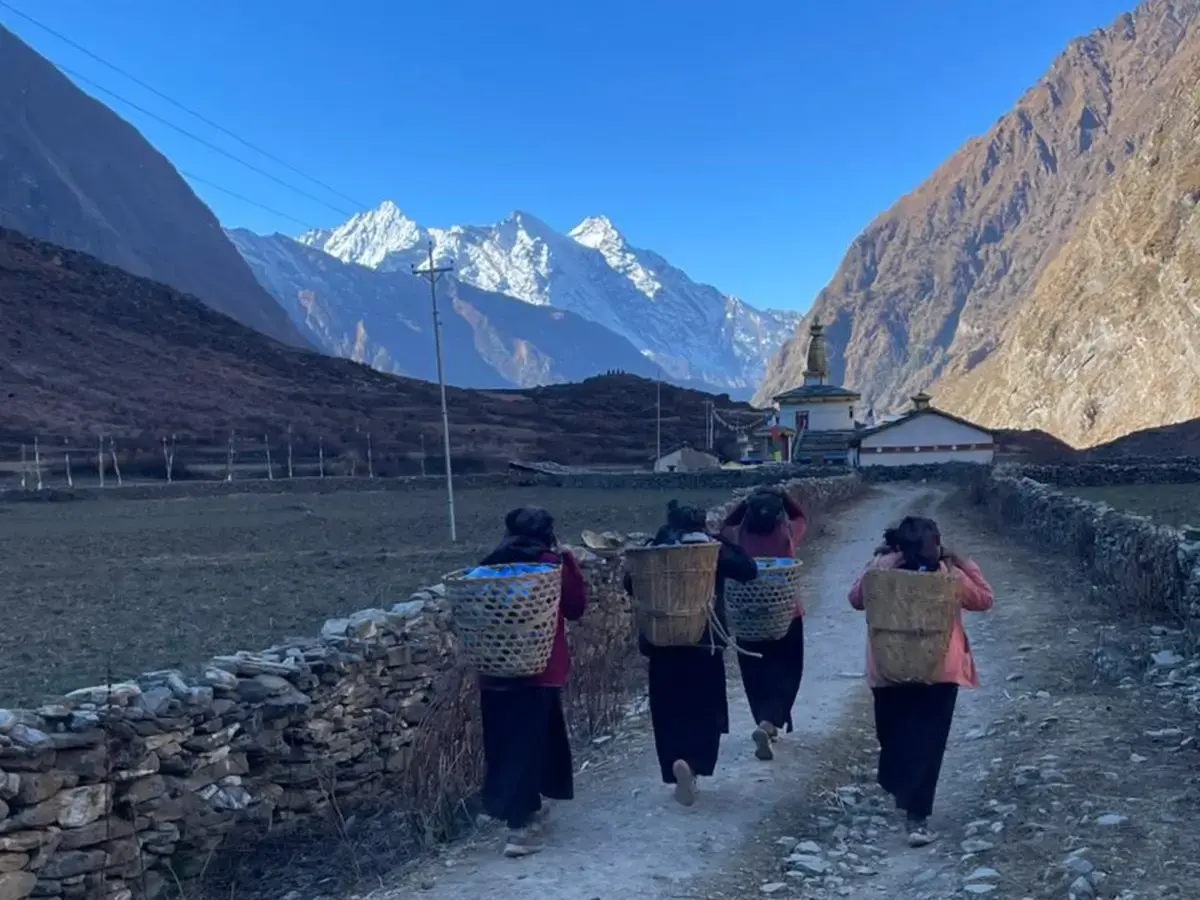
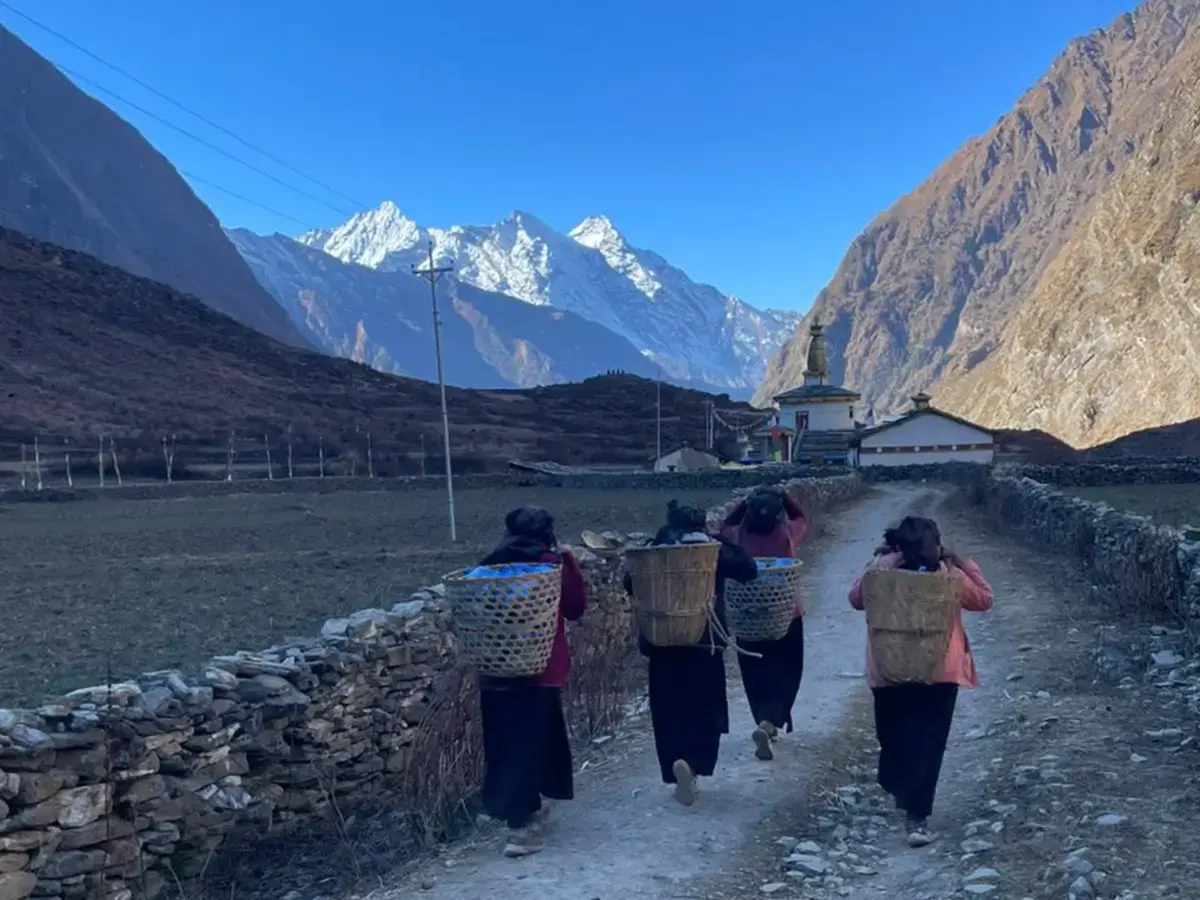
  • Pass through serene and isolated villages like Lokpa, Chumling, Chhokongparo, and Nile, which will give you an idea about rural life in the Himalayas.
  • Experience the slow and peaceful trekking, which is the best way to bond not only with nature but also with its cultures and spirituality.
  • Explore ancient monasteries such as Mu Gompa and Rachen Gompa, which are an important part of the spiritual culture related to Tsum Valley
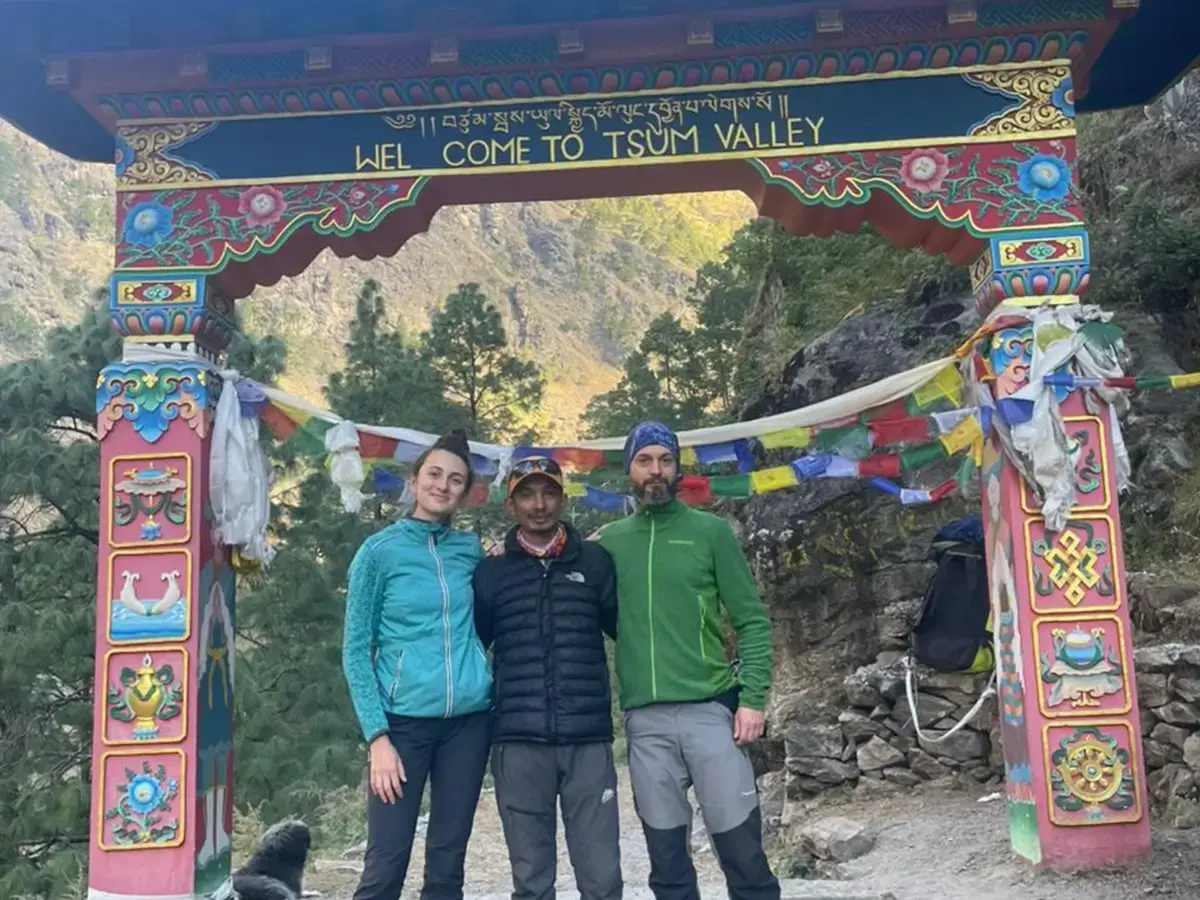
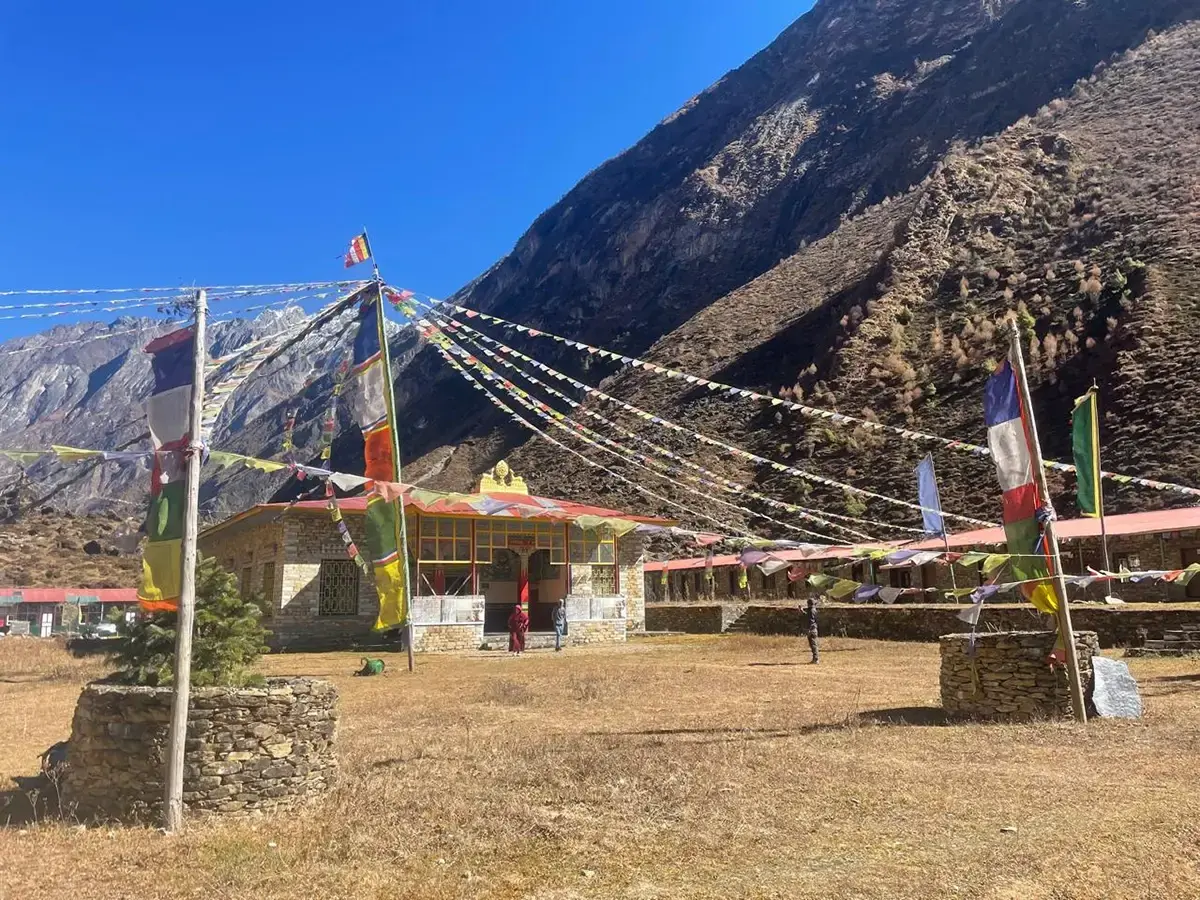
  • Encounter prayer flags, mani walls, stone houses and chortens that represents the Tibetan Influence in the Tsum Valley Trek
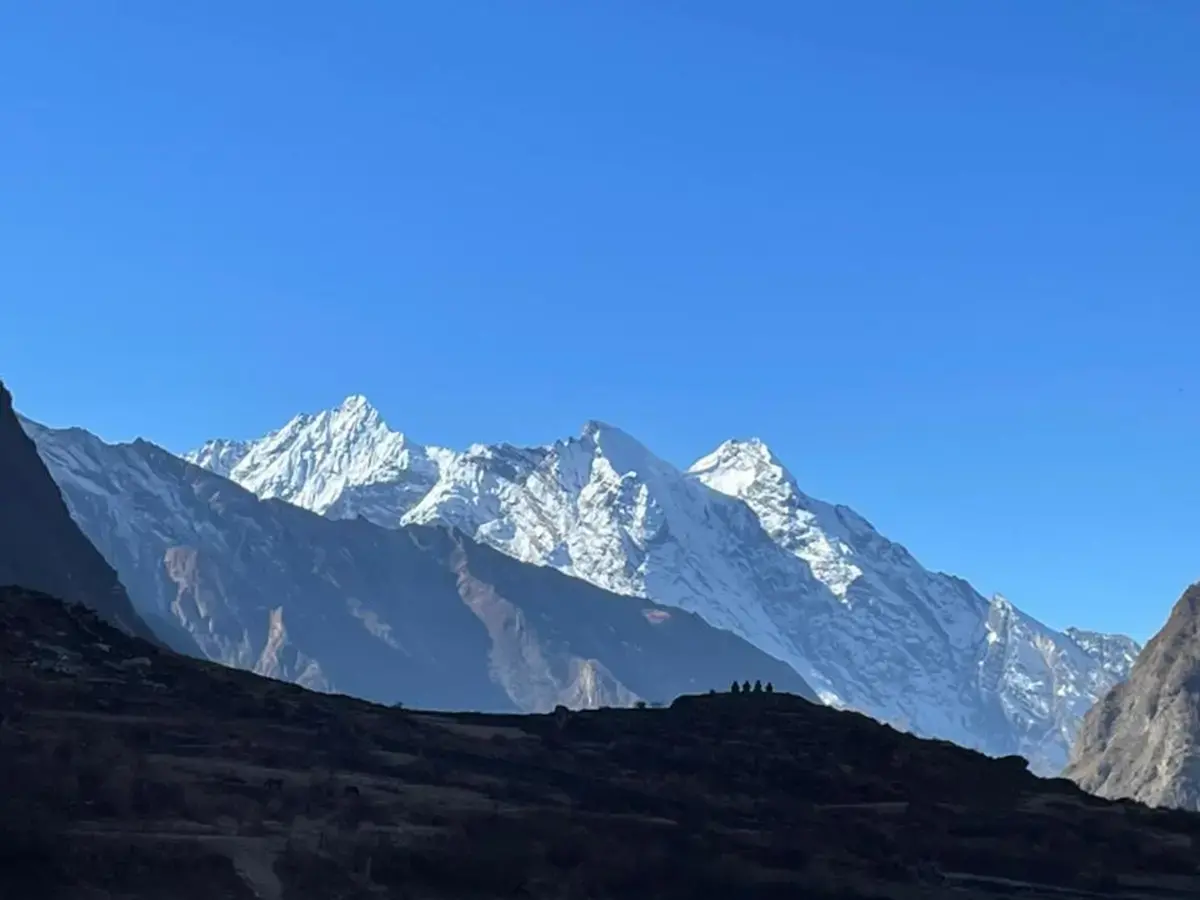
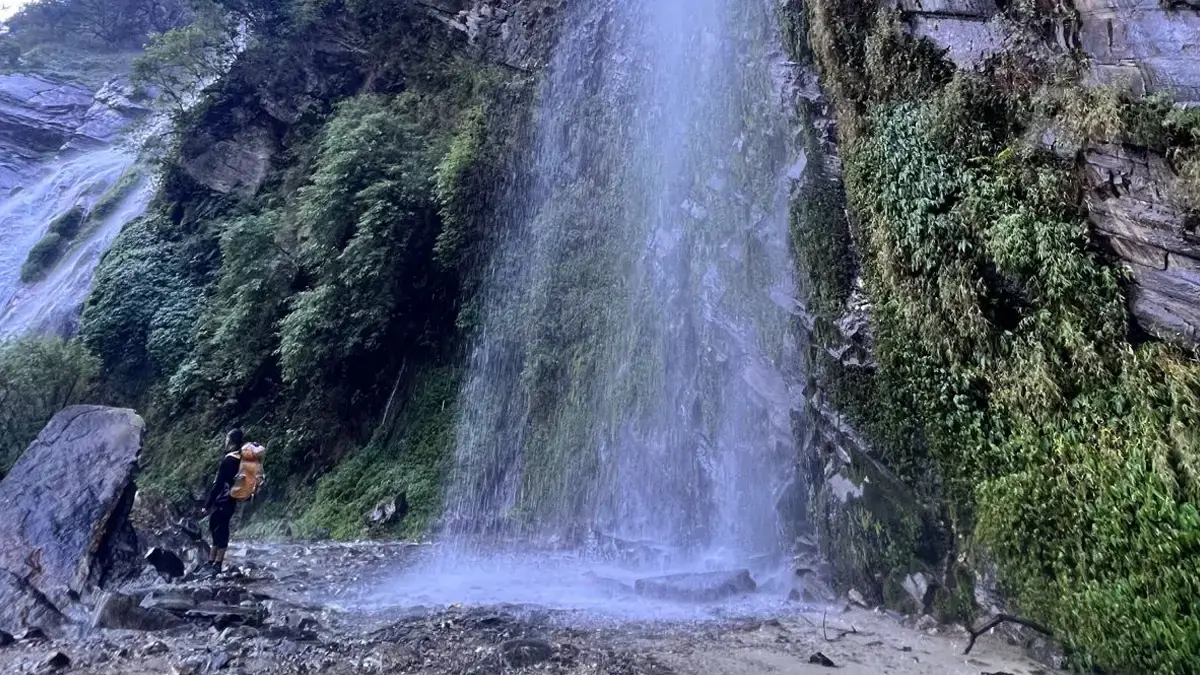
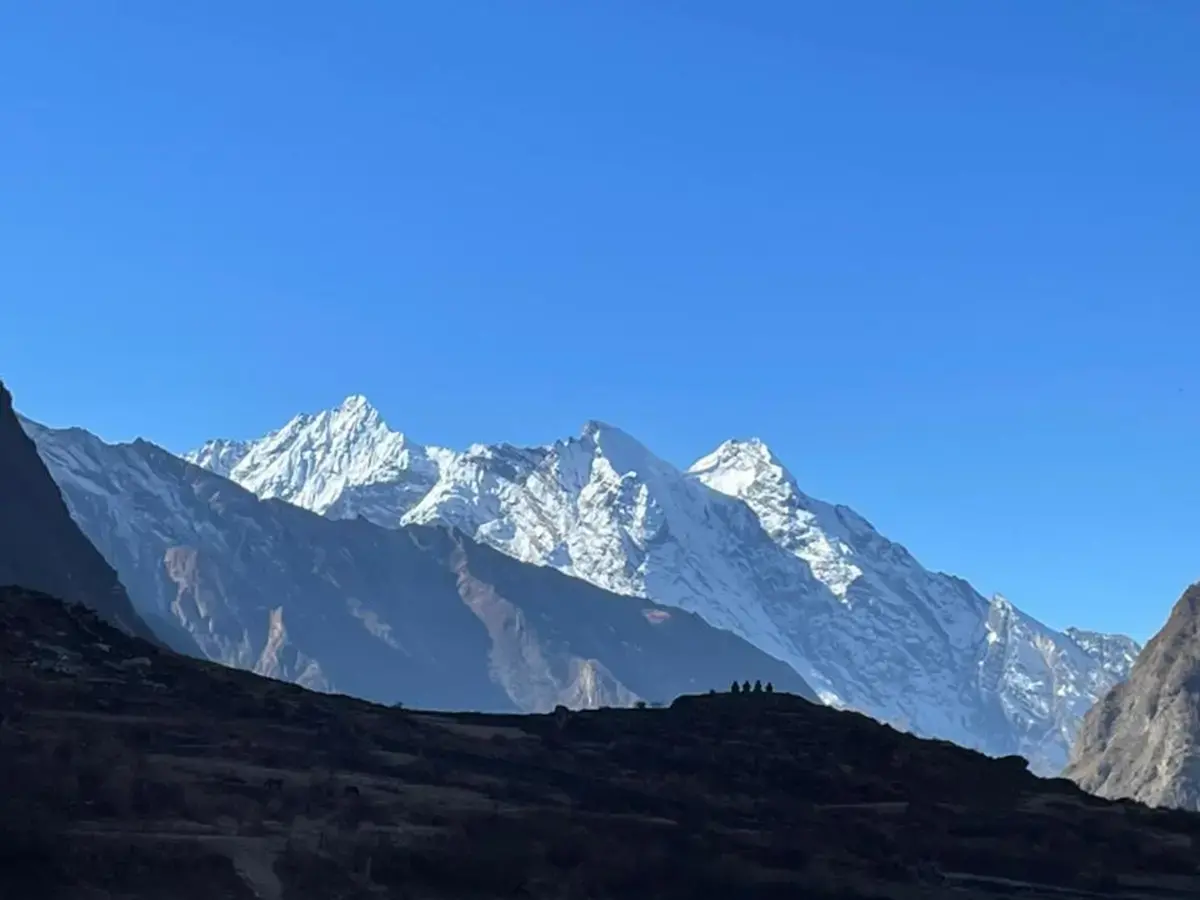
  • Enjoy the highly photogenic landscapes, ranging from forest trails and river valleys to alpine regions
  • Trek in a part of the world which many tourists consider to be a life-changing experience
  • Take an advantage of trekking guidance service that is necessary during the journey for navigation and communication to help you explore the Tsum Valley

Best Time to do Tsum Valley Trek in Nepal

Spring (March to May)

The spring season, in particular, is the best time to do the Tsum Valley Trek, as the climate is favorable with clear blue skies, a somewhat chilly climate, and rhododendron along the lush trails. The weather conditions in spring are suitable both for the culture tour and the trek.

Autumn (September to November)

Autumn is considered the best season for the Tsum Valley Trek in Nepal. The weather is dry with excellent views of the mountains. The trekking trails will be in the best possible condition. The weather after the monsoon seasons makes the scenery of the village places appealing.

Winter (December to February)

The winter Tsum Valley Trek provides an opportunity to have a quiet and peaceful experience, since very few trekkers are encountered along this route. Although it may be colder and it snows at higher altitudes, well-prepared experienced trekkers will be able to appreciate the unspoiled natural beauty of this valley.

Monsoons (June to August)

The monsoon season is generally considered to be the least ideal time for Tsum Valley Trek. This is because it becomes slippery and transport can become unpredictable. Despite this, the valley becomes quite green and becomes a site for those who wish to experience adventure.

Why choose Evertrail Adventure for Tsum Valley Trekking?

EverTrail Adventure has specialized in planning responsibly led treks in Tsum Valley, with emphasis on immersion in the culture, safety, and a seamless experience in the most isolated areas of Nepal. Our knowledge of restricted areas in the Himalayas enables us to efficiently administer treks in Tsum Valley.

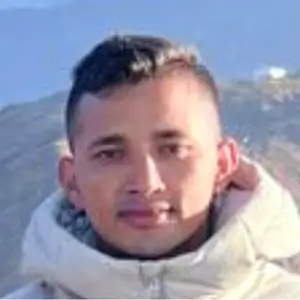
The Tsum Valley trek is a journey that needs experienced guides because of the remoteness of the trails, the infrastructural development, and the language differences in the villages. One of our most experienced guides, Anil Karki, has been trekking in the Tsum Valley area for many years now. He also has personal experience of the area. It is because of these factors that our trekking in the Tsum Valley area ensures that we trek safely through the valley.
Manaslu Tsum Valley Trek Itinerary

Day 1

Arrival in Kathmandu (1,350m)

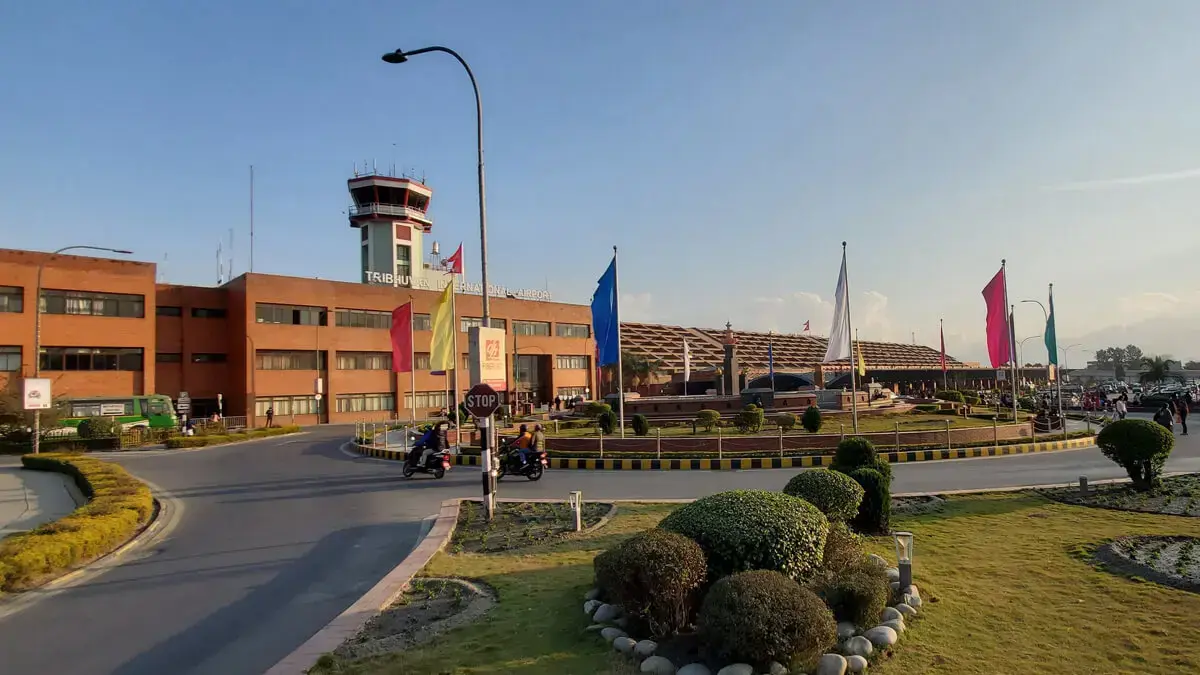
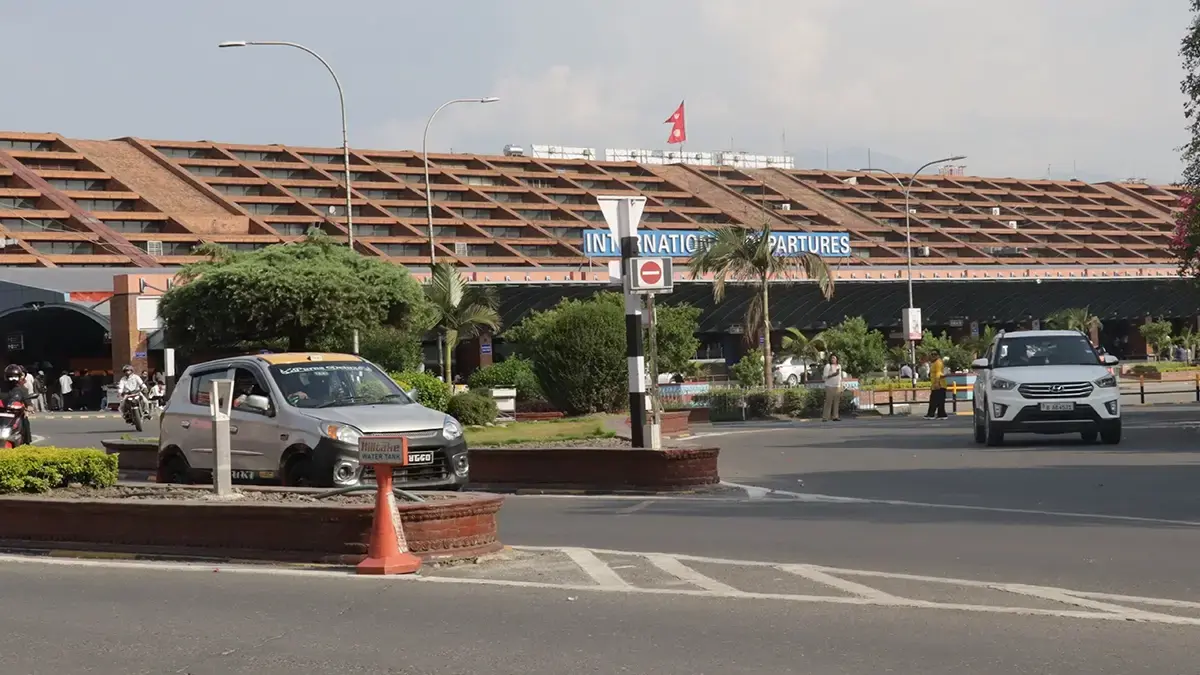
We’ll greet all the participants at the Tribhuvan International Airport and whisk you away to your hotels. The day remains flexible to acclimatize to the altitude difference. In the evening, an orientation session is planned to meet everyone and go over the plan for the Tsum Valley Trek.

Trail Type: Non-trekking trails – Arrival at the city, rest

Day 2

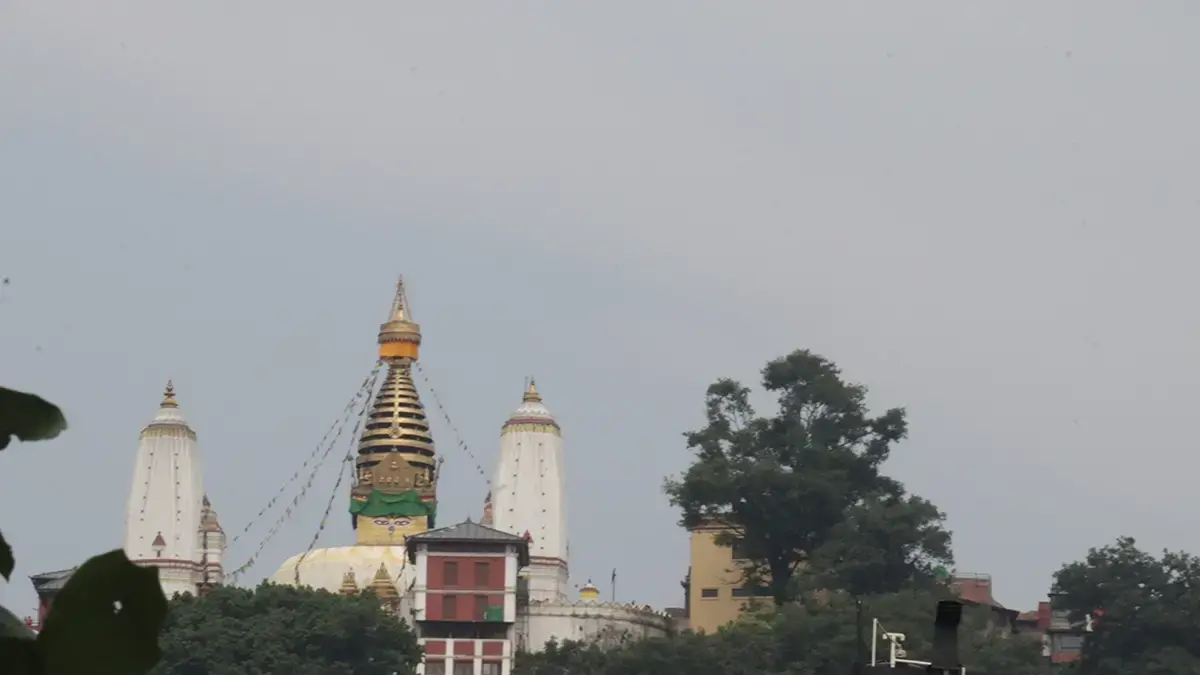
Trek Preparation & UNESCO World Heritage Sites Tour-Whole Day

This day involves trek preparation, such as obtaining permits and checking trekking equipment, followed by visits to designated World Heritage sites within the valley. A lightweight walking program keeps us active but not exhausted before embarking on trekking.

Trail Type: Easy urban walking routes.

Day 3

Drive to Machha Khola (900m)

We'll travel in a private car or local transport (as budget allows) along a serpentine road that follows the course of a river that winds its way up the mountains. This leads us along the outskirts of remote areas of the Manaslu Region, signifying the beginning of the Tsum Valley trek.

Trail Type: No Trekking - Scenic Mountain Drive

Max Altitude: 900m
Duration: 8-9 Hours
Day 4

Trek from Machha Khola to Jagat (1,340m)

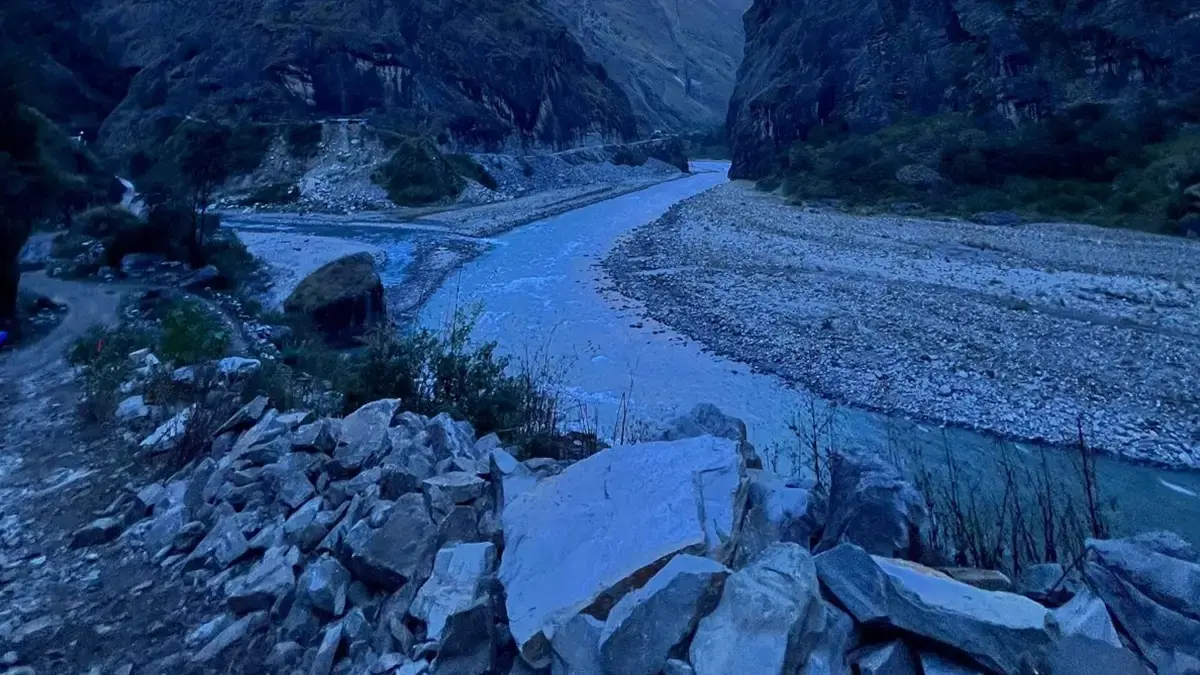
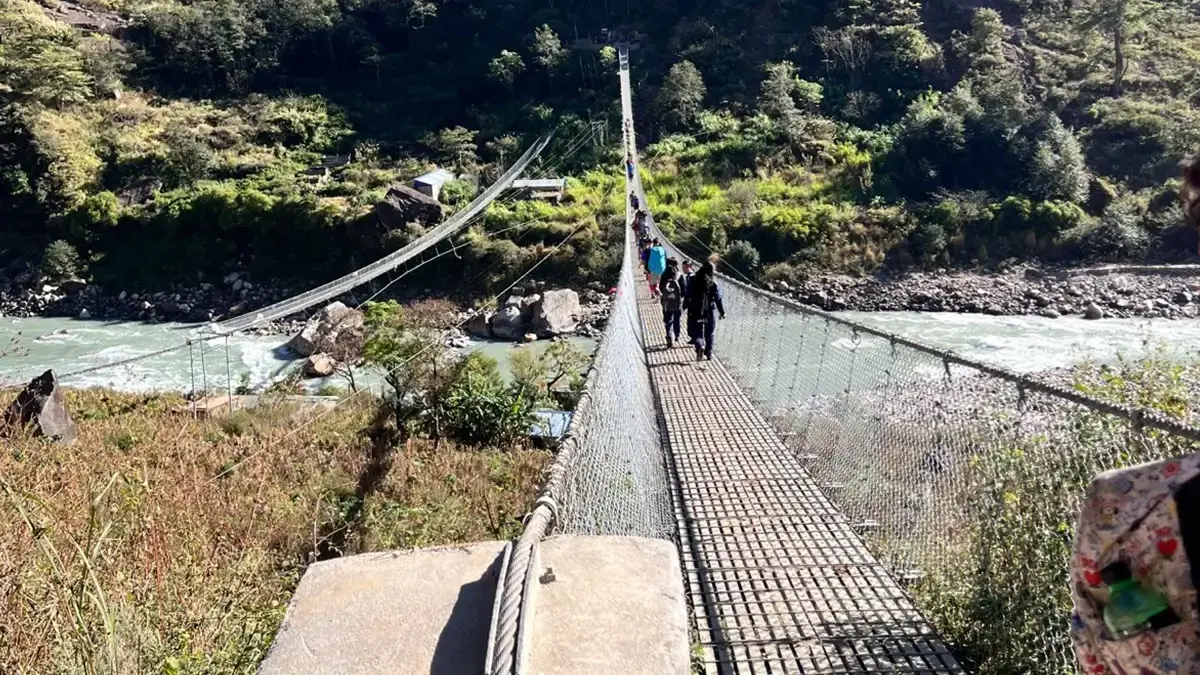
Our trekking today is going to commence with trekking through Budhi Gandaki. There are chances of walking over some suspension bridges and passing through some villages. Stone steps and slight climbing will have to be done.

Type of Trails: River-side paths, stone steps, suspension bridges

Max Altitude: 1,340m
Duration: 7-8 hours
Day 5

Trek from Jagat to Lokpa (2,240m)

We embark on the Tsum Valley Trek, branching off into a less steep ascent through the forested regions. The presence of Lokpa marks it as among the first settlements in the valley, radiating the influence of Tibetan culture due to the isolation in the area.

Type of Trail: Forest trails, gentle slopes, village routes

Max Altitude: 2,240m
Duration: 6-7 hours
Day 6

Trek Lokpa to Chumling (2,385m)

From here, we continue with the trek with the trail leading deeper into the Tsum Valley. The trekking routes become narrower as we trek through the upper gorge of the Tsum Khola River. Trail Type: Narrow mountain trails, forest paths, gentle climbs

Max Altitude: 2,385m
Duration: 4-5 hours
Day 7

Trek from Chumling to Chhokongparo (3,035m)

As we continue walking, the valley begins to broaden, and Alpine views emerge around us. Larger mountain views come into sight as we move into the opening. We shall climb at a consistent rate to enable our acclimatization process to keep up with the ascent and to move comfortably along as the elevation increases.

Trail: mountain trails, constant climbs, open valley terrain

Max Altitude: 3,035m
Duration: 6 to 7 hours
Day 8

Trek from Chhokongparo to Nile (3,361m)

In the morning, we walk slowly towards the Nile River, the last permanent settlement of the upper Tsum Valley. In the after lunch session, the trek to Mu Gompa takes place, which is the largest and most famous monastery within the region. A visit to the monastery provides information on the spiritual aspects of the valley before returning to Nile at night.

Trail: open valley trails, easy ascent, monastery paths

Max Altitude: 3,361m
Duration: 4 to 5 hours
Day 9

Trek from Nile to Chumling

We begin the descent, following familiar routes through villages and terrain we now know so intimately. The descent makes breathing easier, and we slow down. This too is another chance to see village life and terrain from different perspectives.

Trail: downhill routes, forest trails, village byways

Duration: 7 to 8 hours
Day 10

Trek from Chumling to Philim (1,570m)

It continues to decline further along woodlands and terraces to farmland. We rejoin the more popular routes as vegetation becomes denser due to lower altitudes. The hike for the day takes place with ease and informative cultural content.

Trail: forest trails, downhill paths, cultivated land

Max Altitude: 1,570m
Duration: 5 to 6 hours
Day 11

Philim to Machha Khola (900m)

The final day of our trek is along the riverbank. There is a suspension bridge crossing to Machha Khola, which is a descent. This is the end of our Tsum Valley trek. Trail: river routes, suspension bridges, downhill trails

Trail: river routes, suspension bridges, downhill paths

Max Altitude: 900m
Duration: 5 to 6 hours
Day 12

Machha Khola to Kathmandu by private vehicle

We have our own transport back to Kathmandu and witness the change in landscapes as mountains give way to hills and then plains. Later in the day you are free to relax and explore the city.

Trail: no hiking, scenic drive

Duration: 8 to 9 hours
Mode of Transportation: private vehicle
Day 13

Final departure

After breakfast, we will transfer all trekking group members to Tribhuvan International Airport to connect international flights. This marks the end of the Tsum Valley Trek.

Did not find what you’re looking for? No worries! Our experts would love to create a package just for you.

Cost Details

Includes

  • Airport pick-up and drop-off in Kathmandu
  • Hotel accommodation in Kathmandu (as per itinerary)
  • Guided UNESCO World Heritage Sites tour in Kathmandu
  • All ground transportation as per itinerary (private vehicle)
  • Licensed and experienced trekking guide
  • Assistant guide and porters as required for group size
  • All required trekking permits (RAP, MCAP, ACAP)
  • Teahouse accommodation during the trek (twin-sharing)
  • Three meals per day during trekking days
  • Trek briefing and group orientation session
  • Basic first-aid kit carried by the guide
  • Government taxes and official service charges

Excludes

  • International airfare to and from Kathmandu
  • Nepal visa fees
  • Travel and medical insurance (mandatory)
  • Personal trekking equipment and clothing
  • Meals in Kathmandu (except where specified)
  • Hot showers, battery charging, and Wi-Fi during the trek
  • Alcoholic drinks and personal snacks
  • Tips for guides, porters, and drivers
  • Personal expenses of any kind
  • Costs arising from delays due to weather or unforeseen events

Essential Information

Emergency & Evacuation Support During the Trek

The safety of trekkers is a high concern during the Tsum Valley trek, particularly because of the remote region. In the situation of a trekker emergency:

  • The guides are trained to identify the onset of altitude sickness and physical exhaustion
  • Immediate Descent Protocols are to be followed as needed
  • Emergency Oxygen is carried along with the trekking team
  • Helicopter evacuation can be organized if required
  • It also helps to ensure that no trekker remains alone when confronted with challenging circumstances.
  • There is constant communication between the trekking guides, the support staff, and the operations department, enabling a swift response to any event.

Trek Leader and Guide Assistance for Tsum Valley Trek

Each Tsum Valley Trek is accompanied by an experienced trekking guide with local knowledge of the region. Assistants are also assigned to accompany the group, depending on the size of the group.

The trekking leader has the following responsibilities:

  • Navigating Routes and Pacing Yourself
  • Monitoring altitude adaptation of all group members
  • Handling teahouse accommodations and food
  • Role of the first responder in emergency situations

This means that there will always be an experienced guide to make sure that the entire group stays organized and on track.

Altitude Safety & Trek Management Expertise

Despite the fact that the Tsum Valley Trek does not involve crossing passes and therefore the overall altitude is relatively lower as compared to high pass treks, acclimatization is still a must. The itinerary has been designed to enable acclimatization.

Guides will also control pedometers to regulate walking speed and advise on fluid intake and rest pauses. Trekking as a group will prevent trekkers from proceeding to higher altitude alone and lagging behind when others are ahead of them.

Accommodation During the Trek

The Tsum Valley Trek has accommodation options available in local teahouses or homestays. The stay here will be basic but comfortable. The rooms are on a twin-sharing basis with basic bedding and shared bathrooms.

In the lower villages, the teahouses are relatively well-equipped compared to those found in higher and more distant villages where simpler facilities are available. Cultural immersion and firsthand experience with the locals are also experienced during stays.

Meals and Drinking Water

In trekking, you will get three meals: breakfast, lunch, and dinner, which will be prepared fresh in teahouses. The food will be made up of local cuisines from Nepal and Tibet; less foreign food will be offered due to high altitude limitations. Purified water for drinking can be purchased from teahouses. The guides constantly ensure that you stay hydrated.

Physical Fitness Requirement

The trek in Tsum Valley is of moderate difficulty and suitable for persons with sturdy physical health. Some experience with trekking will be an added advantage since trekking will involve walking for 5-8 hours a day. Embarking on a trek in a group is a great source of inspiration and motivation since trekkers can encourage and motivate one another and feel a sense of accomplishment together.

Weather & Trail Conditions on Tsum Valley Trek

Conditions on the trail vary on the Tsum Valley route. Whether one stays low or heads higher, there are river valleys, forest trails, rock mountain trails, and meadow areas on the routes that pass through the region. Weather conditions are also irregular, particularly within the higher reaches of the villages.

Permits & Documentation

The Tsum Valley Trek falls in a restricted region, which requires a special permit. The permit includes the following:

  • Tsum Valley Restricted Area Permit
  • Manaslu Conservation Area Permit (MCAP)
  • Chumnubri Municipality Permit

All the necessary permits are taken care of in advance so that the group encounters no hassles.