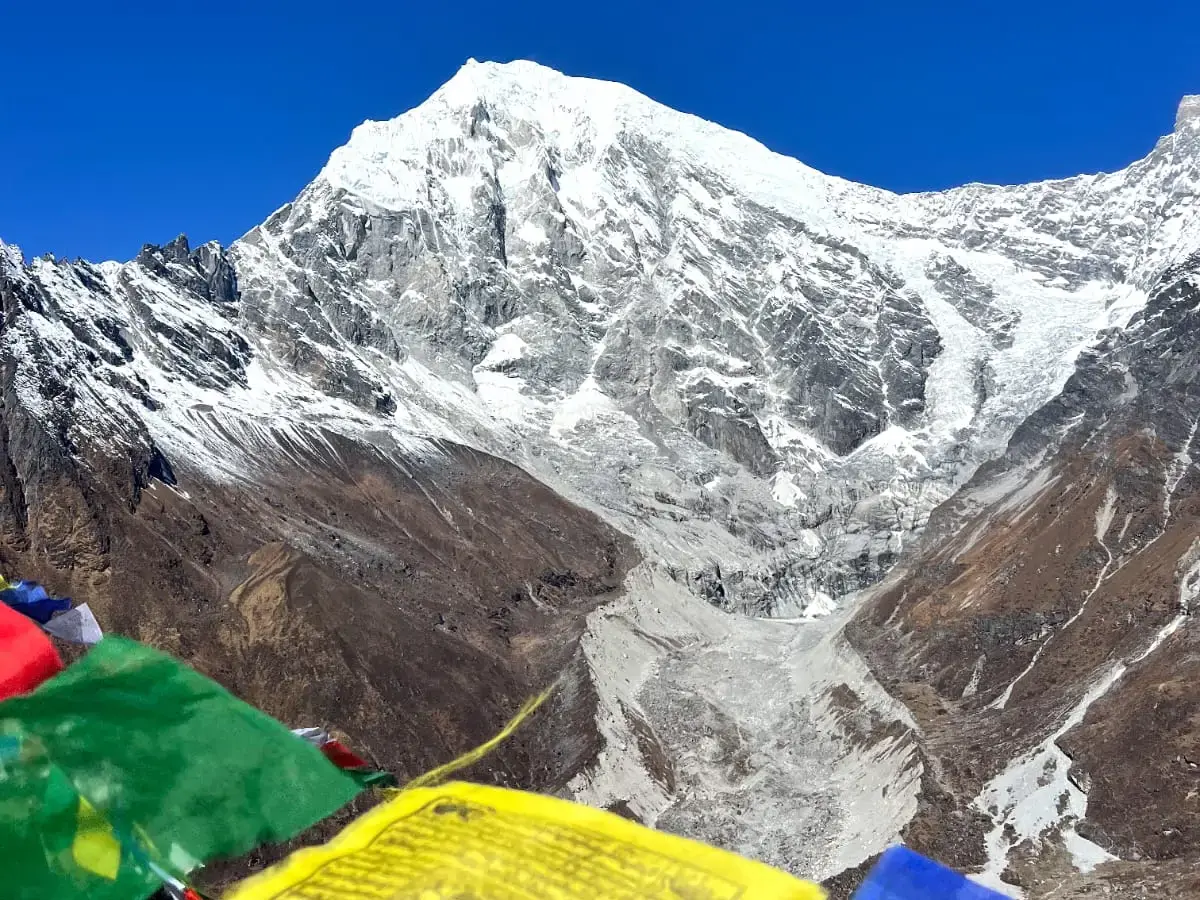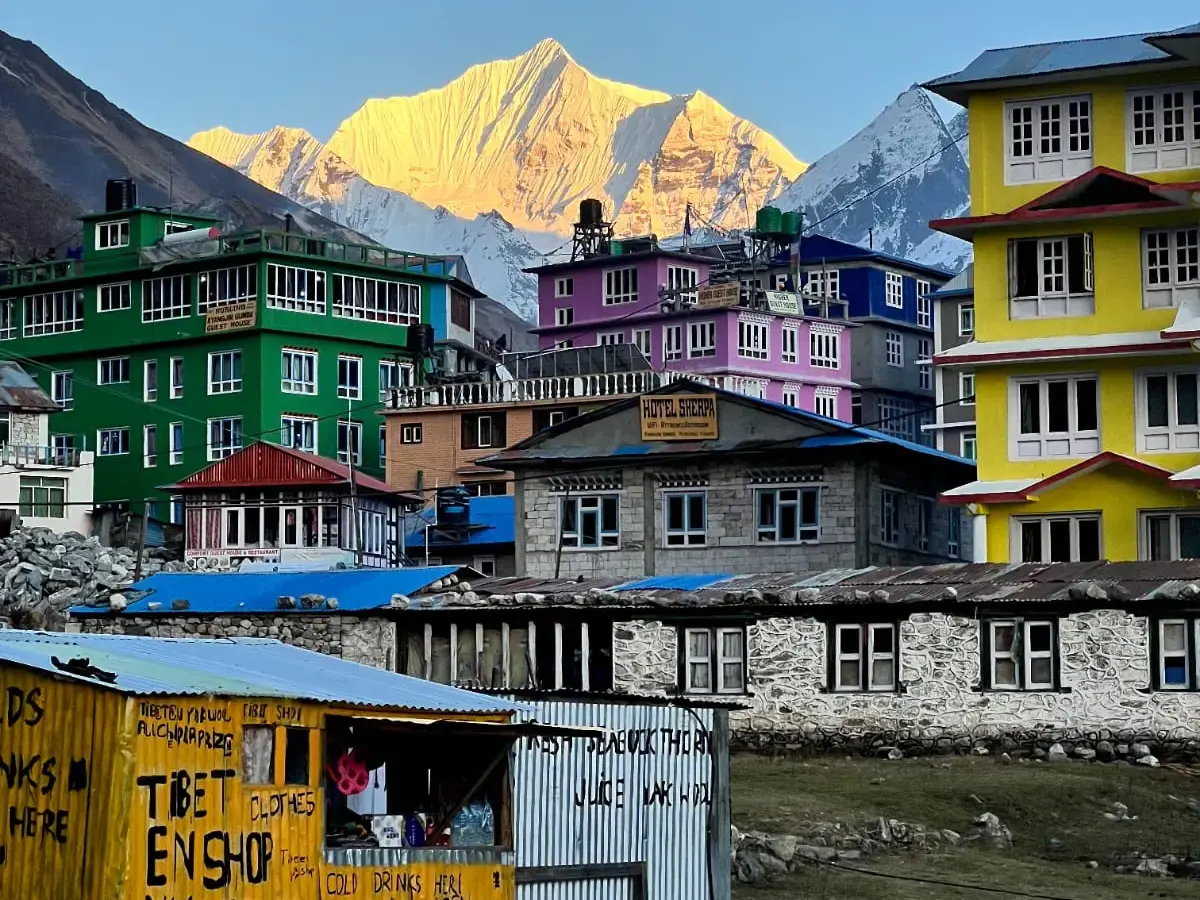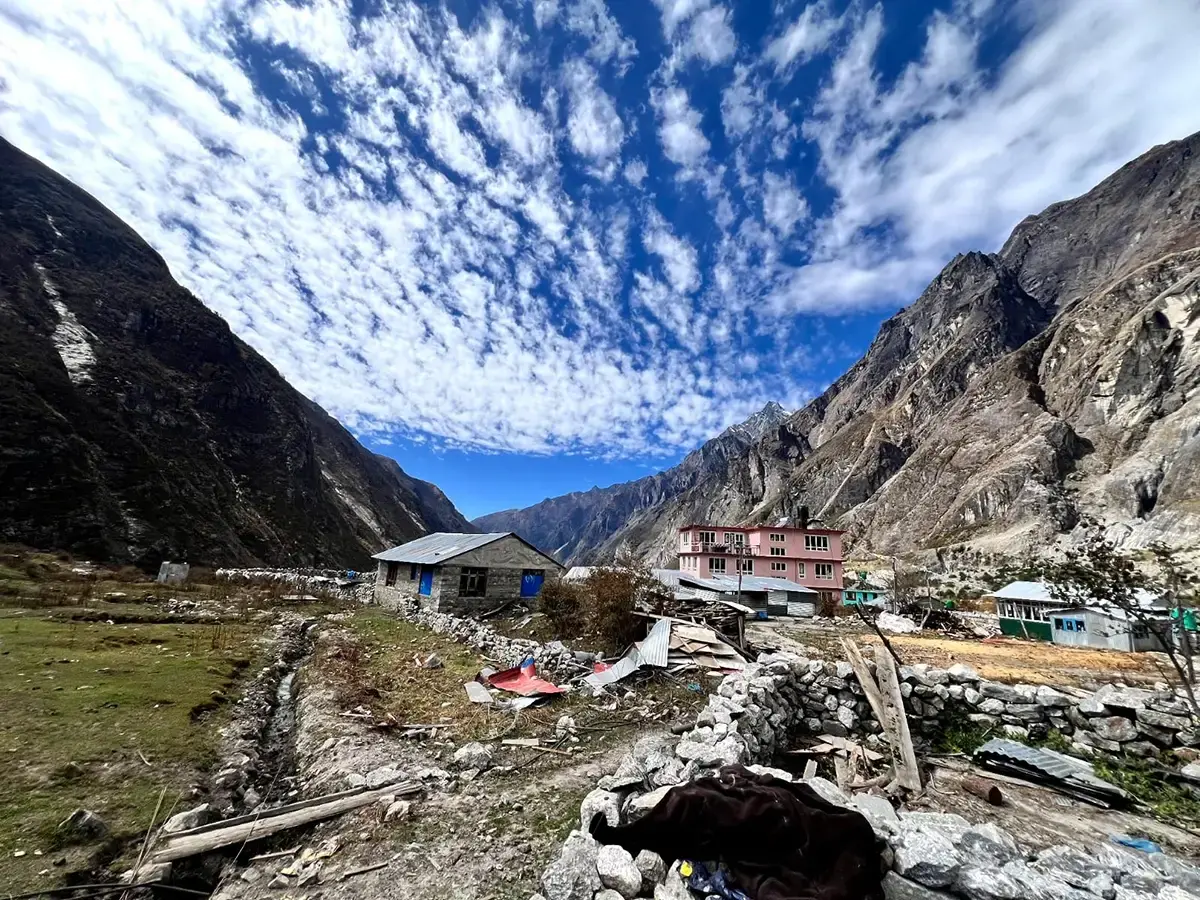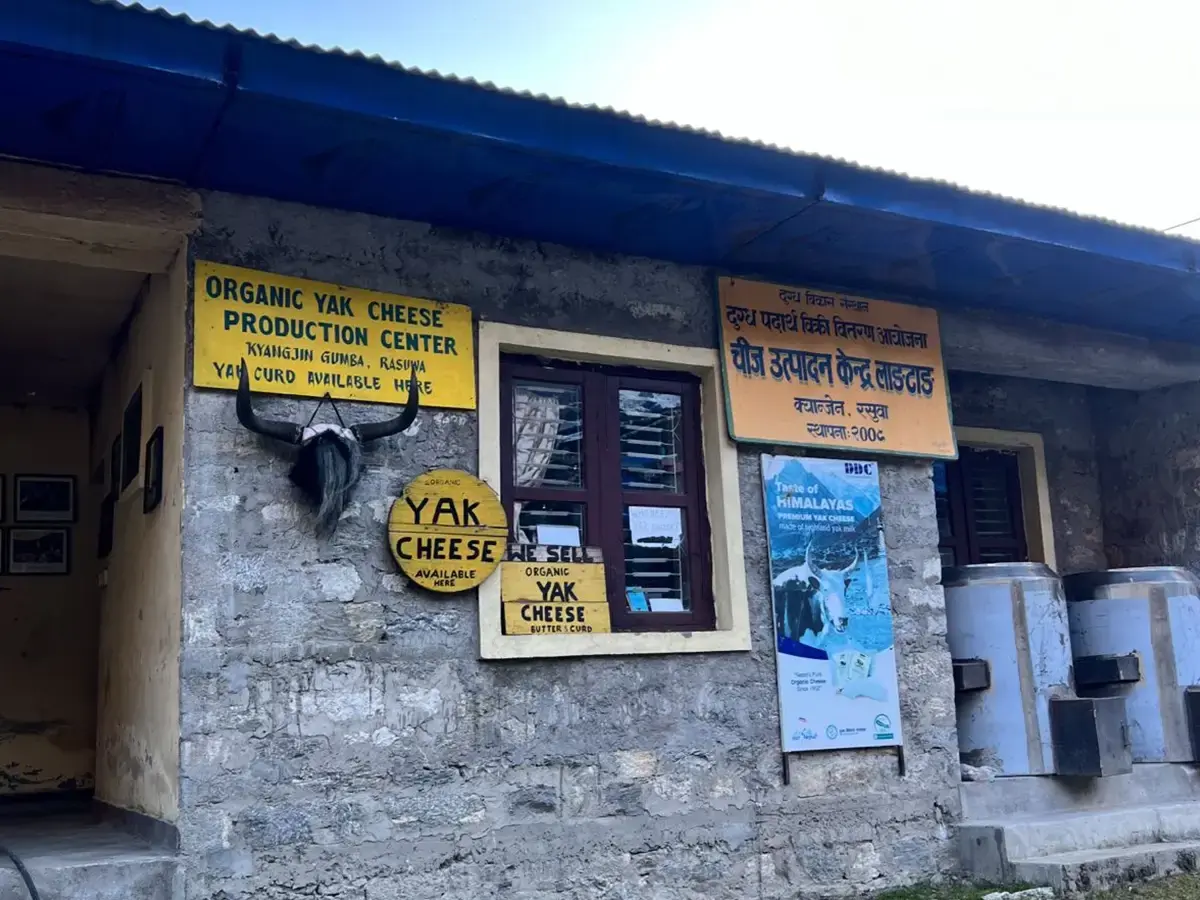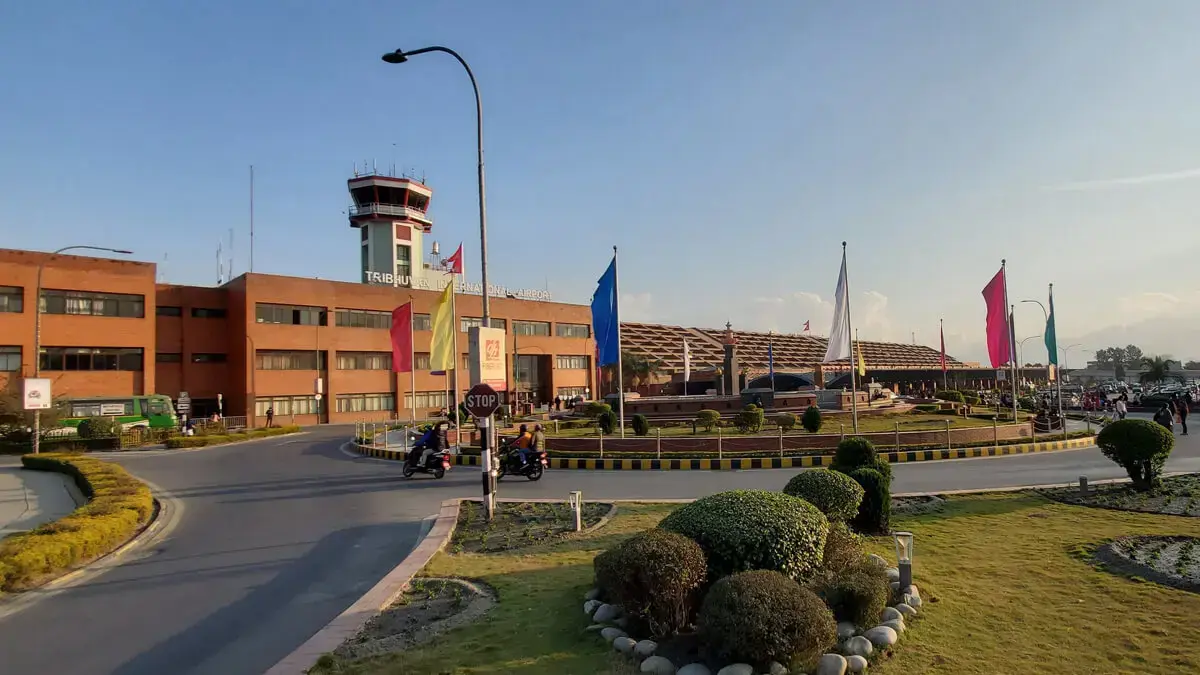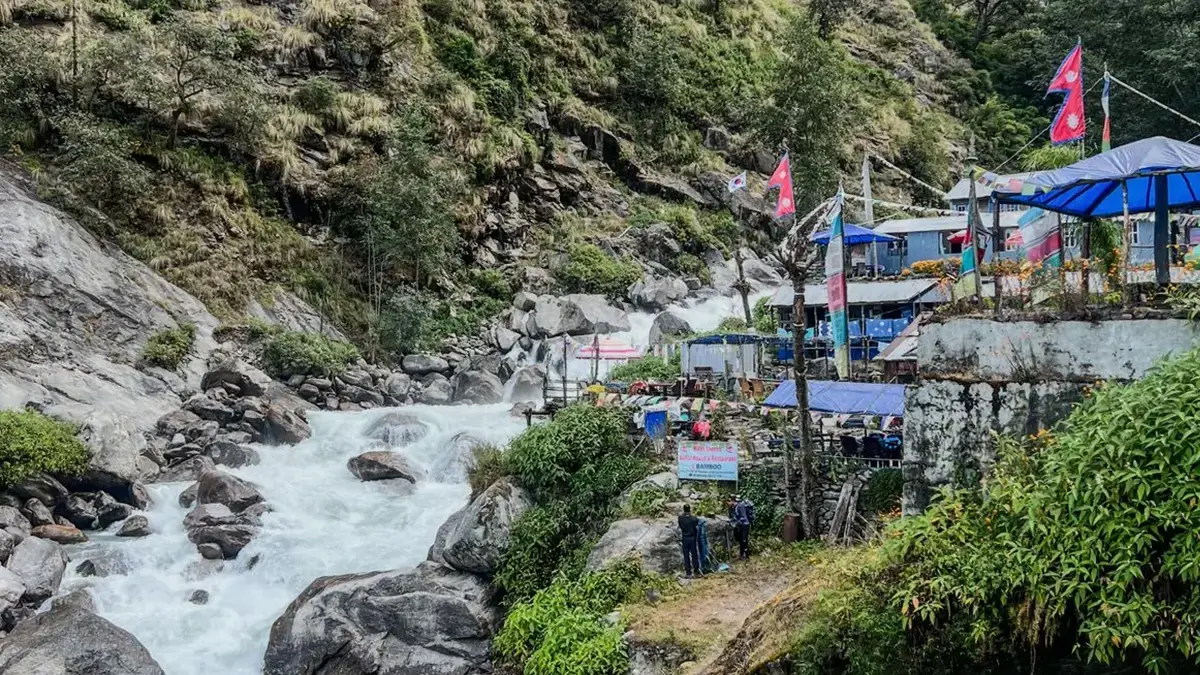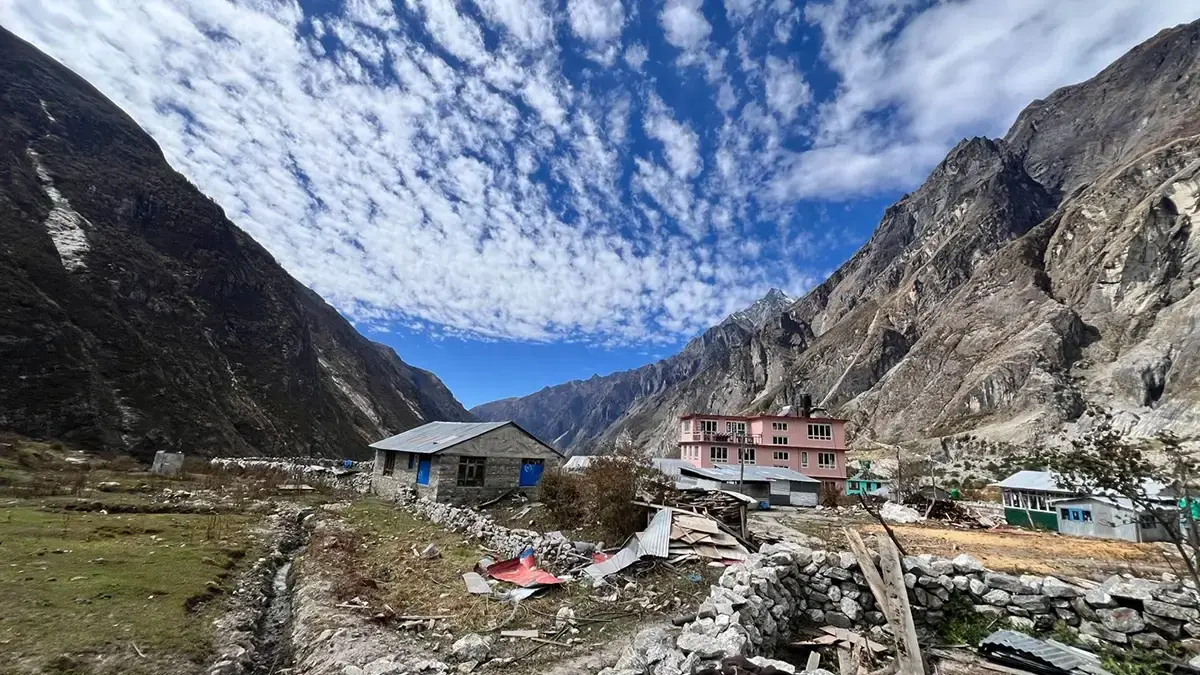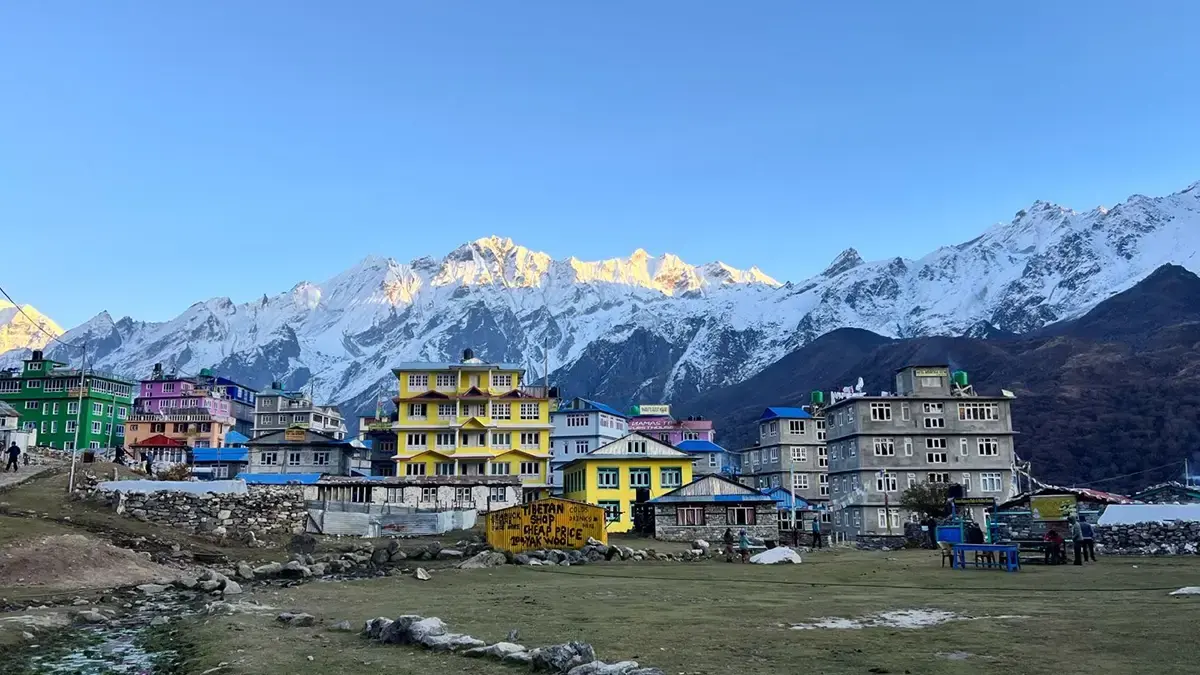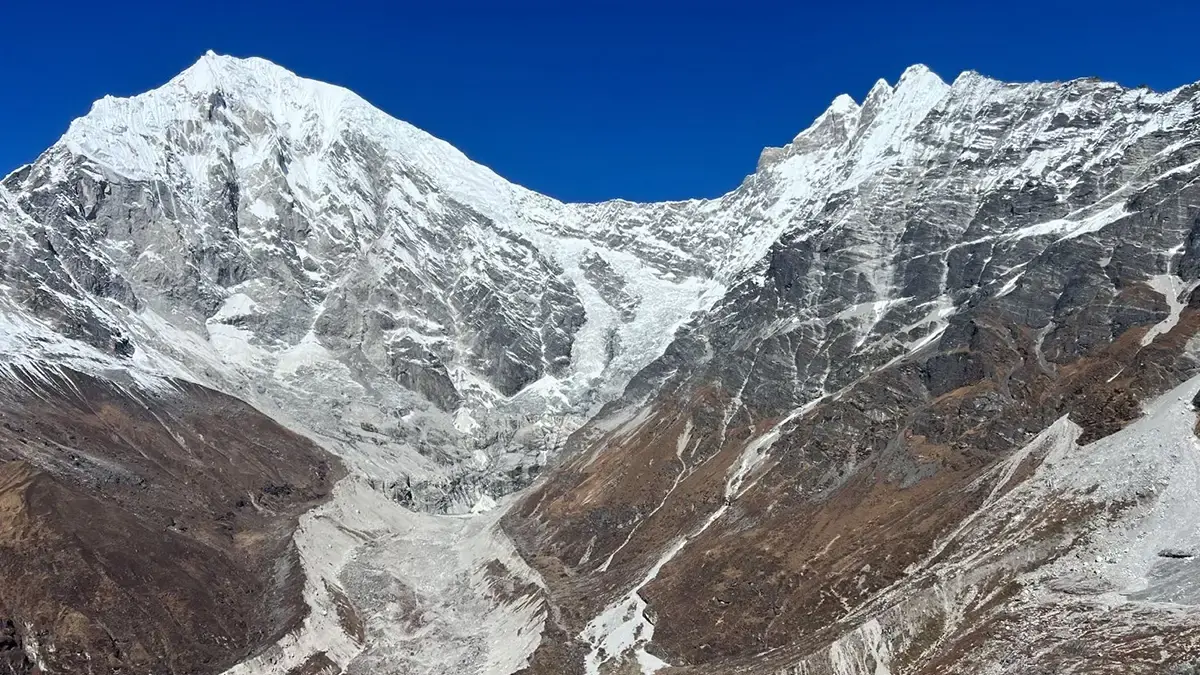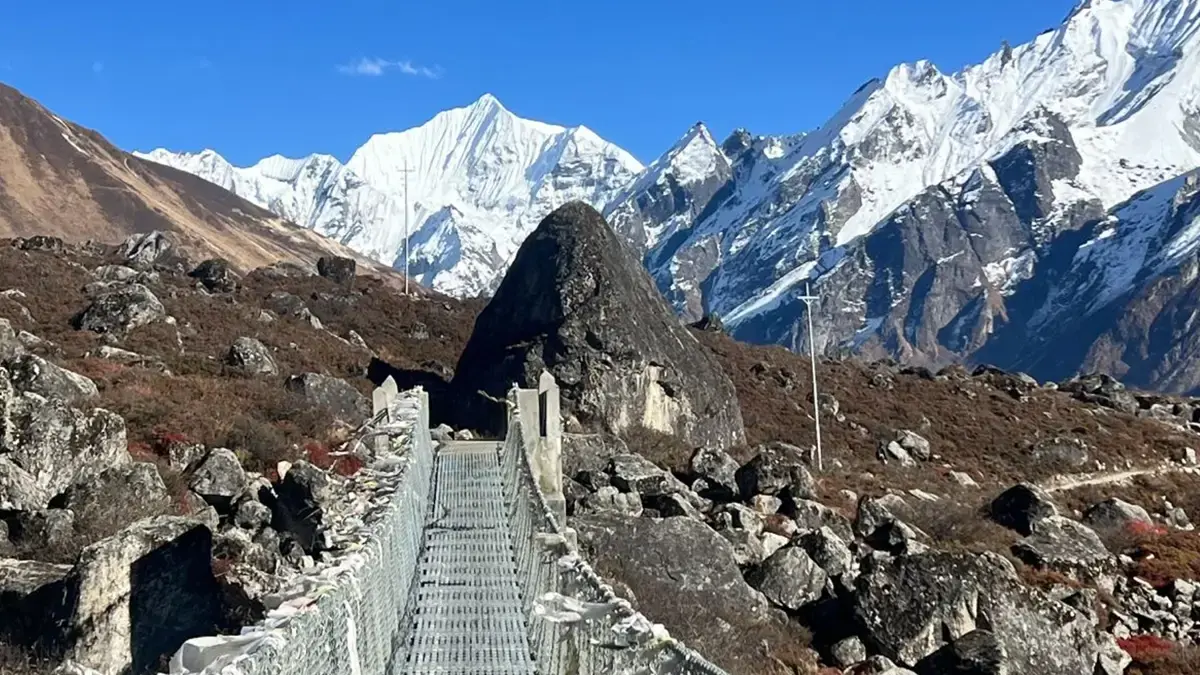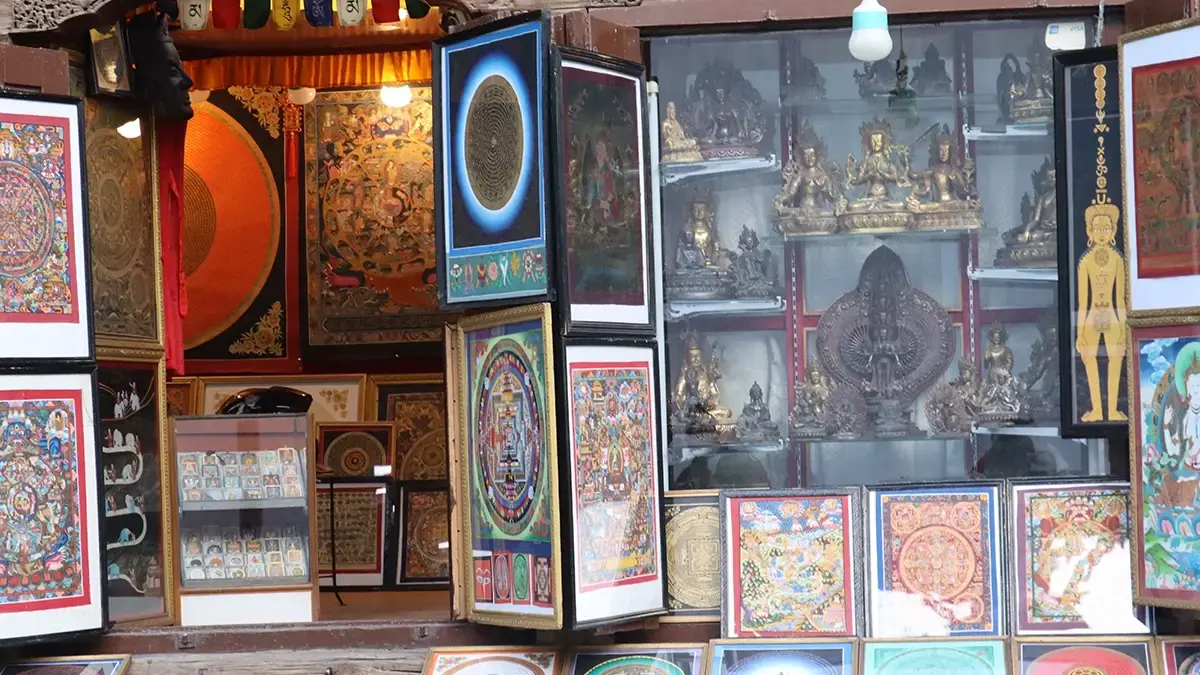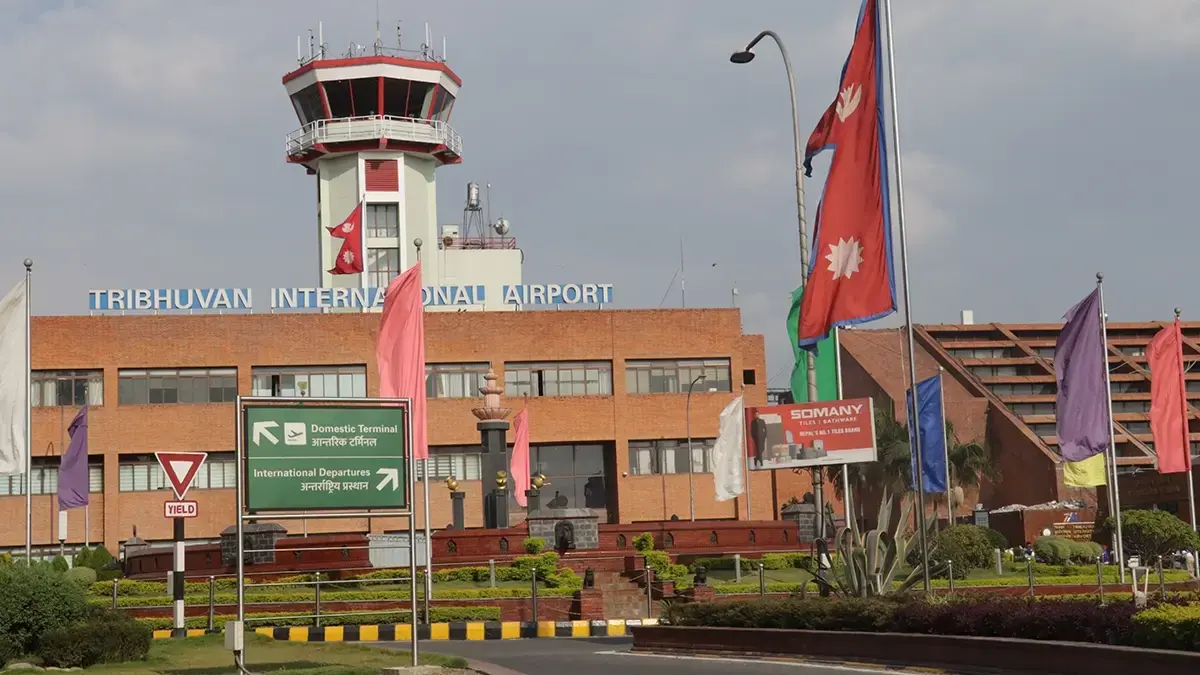
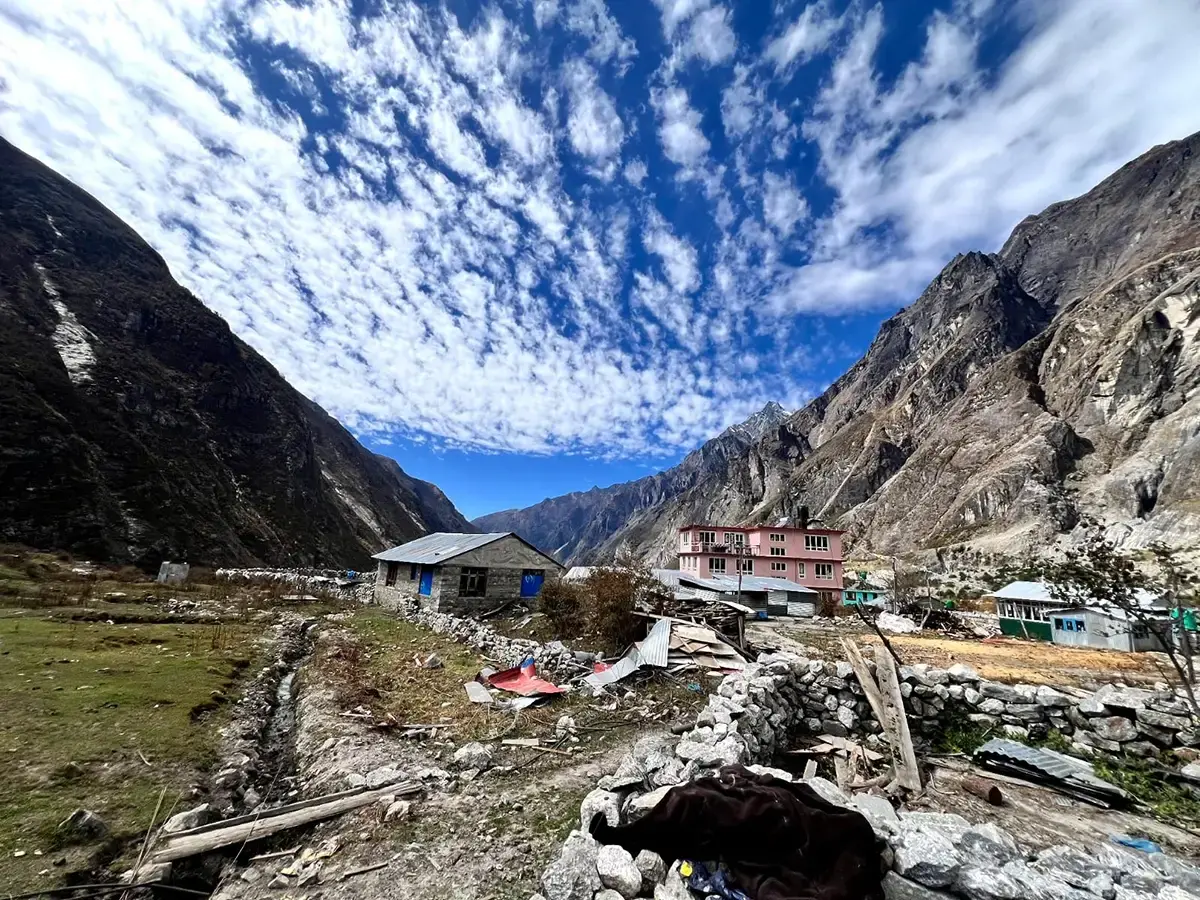
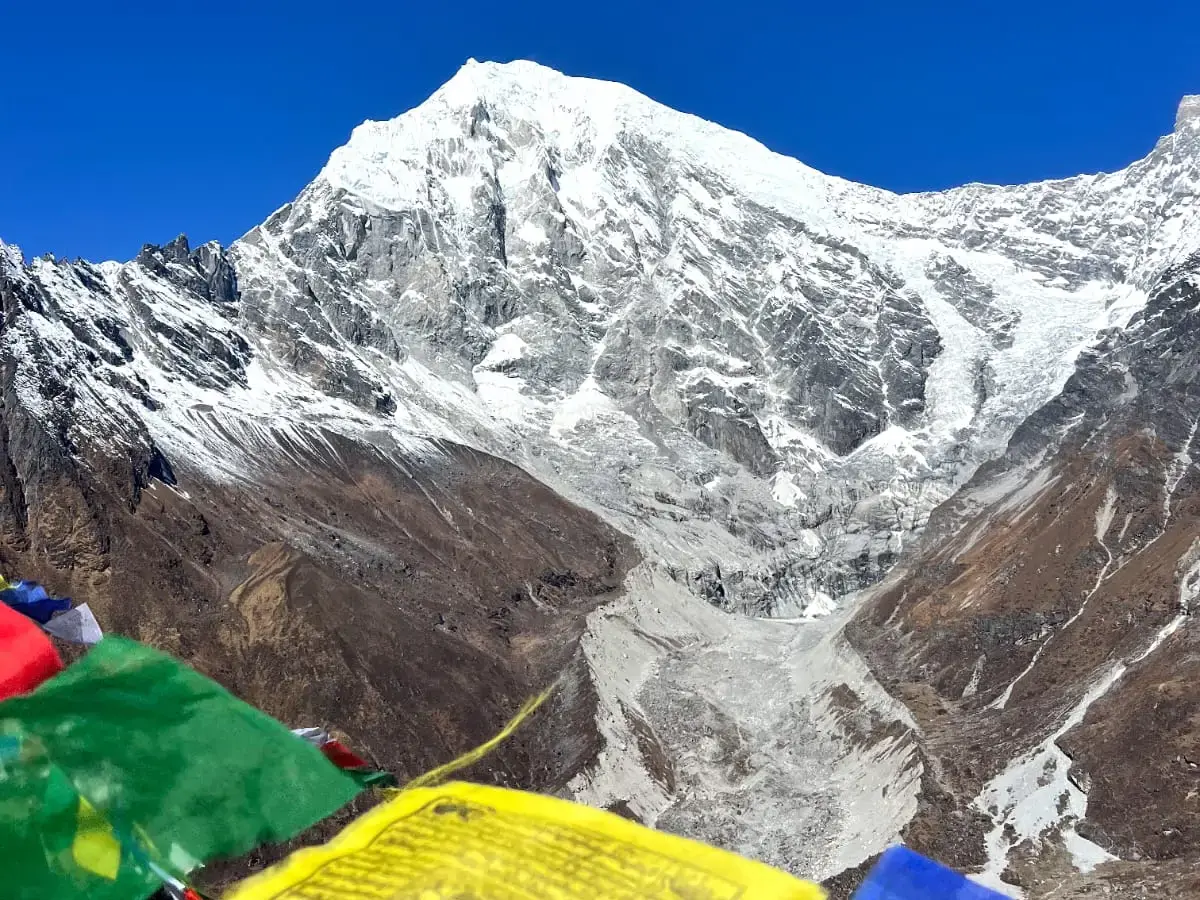
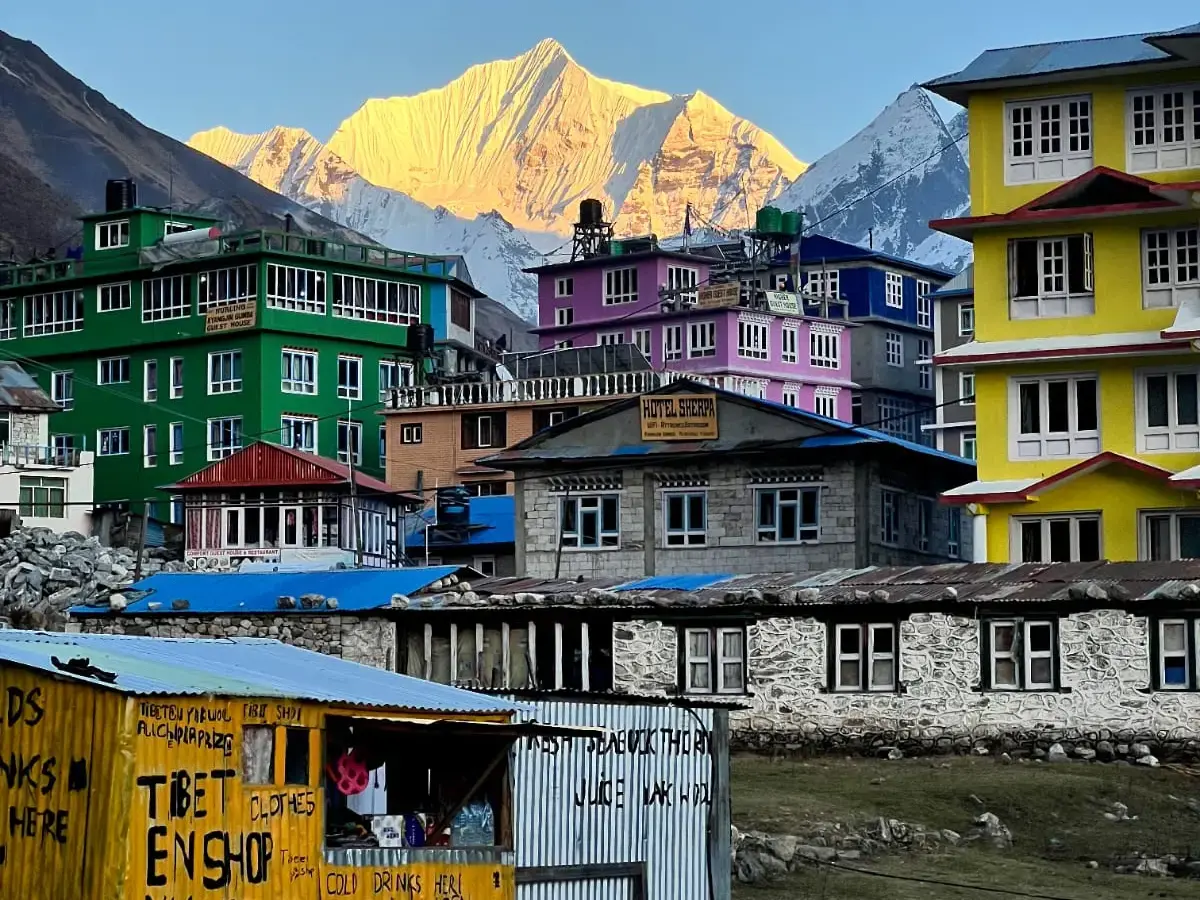
The Langtang Valley Trek is a profoundly rewarding trek in the Himalayas, where a real and deep connection between nature and culture is established through an unforgettable journey that is greater than any other trek. Real experiences related to trekking in Langtang bring out that this journey is not about nature and culture alone; rather, there is a transformation experienced by an individual when he or she passes through forests and villages.
Talking in detail, Mrigen Pradhan also relates his own experience of reaching the land of Langtang Valley, with anticipation before the trek, the silence of the mountain village of Syafrubesi, and finally the sense of discovery while walking on those paths where initial confusion and natural beauty converge. In doing this, the author also talks of the emotional process involved in the trekking experience.
Online academic research on online storytelling and trails in the Himalayas by “Journal.openedition” further illustrates personal trek stories and video blogging accounts of Langtang trails in encapsulating the sacred aspects of these walks in such a way that appeals to trekking participants on a deeply emotional and visual level, reflecting in these trekking accounts the significance of the peaceful nature of this valley and its artifacts and the impact of the 2015 earthquake.
Taken cumulatively, these first-hand encounters paint a credible and compelling narrative regarding what makes the Langtang Valley Trek one of the most beloved routes found in Nepal to date.
How Difficult Is Langtang Valley Trek?
The Langtang Valley Trek in Nepal can be classified as a moderate trek, which means that even people who work regularly, although not necessarily physically fit, can participate in this trek. The Langtang Valley trekking route also requires a walking time of about 5-7 hours per day, in which case you will not be required to ascend very much.
The maximum accommodation point on the Langtang Valley trek is Kyanjin Gompa at 3,870 meters, with hikes to viewpoints such as Kyanjin Ri or Tserko Ri. Though the altitudes are lower, it is nonetheless necessary to trek at your own pace and acclimatize to the conditions to avoid the possibility of fatigue or altitude sickness.
The trail can range from forest trails and river crossings to alpine rock at higher altitudes. Weather factors can add difficulties, especially in the winter months or during the monsoon season. Nevertheless, the Langtang Valley Trek is the most suited for those trekking enthusiasts wishing for a Himalayan adventure.
Best Time for Langtang Valley Trek Nepal
Spring (March to May)
One of the best times to go to the Langtang Valley Trek is Spring. Spring weather is quite consistent and provides ample opportunities to see clear images of the Himalayas and Rhododendron forests along the way. Additionally, Spring weather is ideal since temperatures during the day are not too extreme. Summit points like Kyanjin Ri and Tserko Ri can be reached in Spring.
Summer / Monsoon (June to August)
The landscapes are greener during the monsoon season, and there are fewer trekkers in the Langtang Valley. Even though it may be raining and there may be clouds that block the view of the mountains, the valley is very serene and lush. It is ideal for trekkers who enjoy solitude during their trekking expeditions.
Autumn (September to November)
Among the factors that make Autumn the peak season for Langtang Valley Trek, this period enjoys clear sky conditions, dry trails, and good visibility of the peaks in the Himalayas that surround the trekking trails. Also, the climatic conditions are pleasant, allowing people to walk long hours in a day. Additionally, the cultures of the people along the trekking trails are rich during this season due to several festivals taking place during this period.
Winter (December to February)
Trekkers in the Langtang Valley during winter will experience peaceful trails and fresh mountain scenery, especially in the lower and medium regions. Although there can be snow and low temperatures in the higher regions, properly prepared trekkers can still take on the trek during this time. Winter is the best time for trekkers who want a peaceful time on the trekking trails.